
Snacking and Tooth Decay: Why It Happens and Simple Snack Rules
Published: 2025-12-15 · Updated: 2026-11-22 · Medically reviewed by Katsuaki Takeuchi, DDS (Director; Board-certified oral surgeon, Japanese Society of Oral and Maxillofacial Surgeons)
What you will learn
- Why snacking leads to tooth decay (how often and how long)
- A checklist to see your own decay risk
- Snacking rules, and snacks less likely to cause decay

A snack when you feel peckish, or some chocolate during a break at work. Snacks are one of the pleasures of daily life, but in general, snacking is said to cause more tooth decay than meals.
The main reason is how often and how long you eat. In this article, we explain how snacking leads to decay, and rules for protecting your teeth while still enjoying snacks.
Why snacking leads to tooth decay
When you eat food, especially sugar, bacteria in the mouth produce acid that dissolves the tooth surface. Saliva neutralizes acid and repairs the dissolved tooth (remineralization), but this repair takes time.
The more snacks you add to your meals, the more often your mouth becomes acidic, and the longer your teeth are exposed to acid. In particular, with grazing, eating little by little over a long time, saliva cannot keep up with the repair.
Another reason is that many snacks, such as sweets, juice and candy, are sweet and stick to the teeth, so they easily feed decay-causing bacteria. Foods like chocolate that are high in sugar and stick to the teeth raise the risk of decay if left on the teeth after eating.
Snacking and tooth decay risk checklist
Count how many of the following apply to you.
- I often eat candy, gum (with sugar) or gummies
- I snack on sweet bread or pastries
- I often drink juice, soda or sports drinks
- I often graze on food
- I snack 3 or more times a day
- I have snacks or sweet drinks before bed
- I do not rinse or brush after eating
- I brush once a day or less
- I do not use fluoride toothpaste
- My mouth gets dry easily, or I breathe through my mouth
- I am too busy to go for dental checkups
- I wear an orthodontic appliance, or have many fillings
As a guide, 0–3 items means lower risk, 4–7 means caution, and 8 or more means a high risk of tooth decay. If many items applied to you, try reviewing them one at a time, starting with what you can do.
Foods and drinks that are easy to overlook
Some things you choose because they seem healthy can also cause decay. Dried fruit is high in sugar and sticks to the teeth, so it carries a high risk of decay. Honey and brown sugar are natural, but they are still sugar. Sucking throat lozenges one after another to soothe your throat also lengthens the time sugar stays in your mouth. Sweet protein drinks and nutritional supplement drinks can also cause decay if you sip them over a long time.
Basic snacking rules
1. Set how many times
The biggest cause of decay is grazing. Limit snacks to once or twice a day, at set times. If you have sweets right after a meal as dessert, you can reduce the number of times your mouth becomes acidic.
2. Finish quickly
Ideally, finish eating within about 10–15 minutes. The habit of picking at snacks on your desk is harder on your teeth than you might think.
3. Reset your mouth after eating
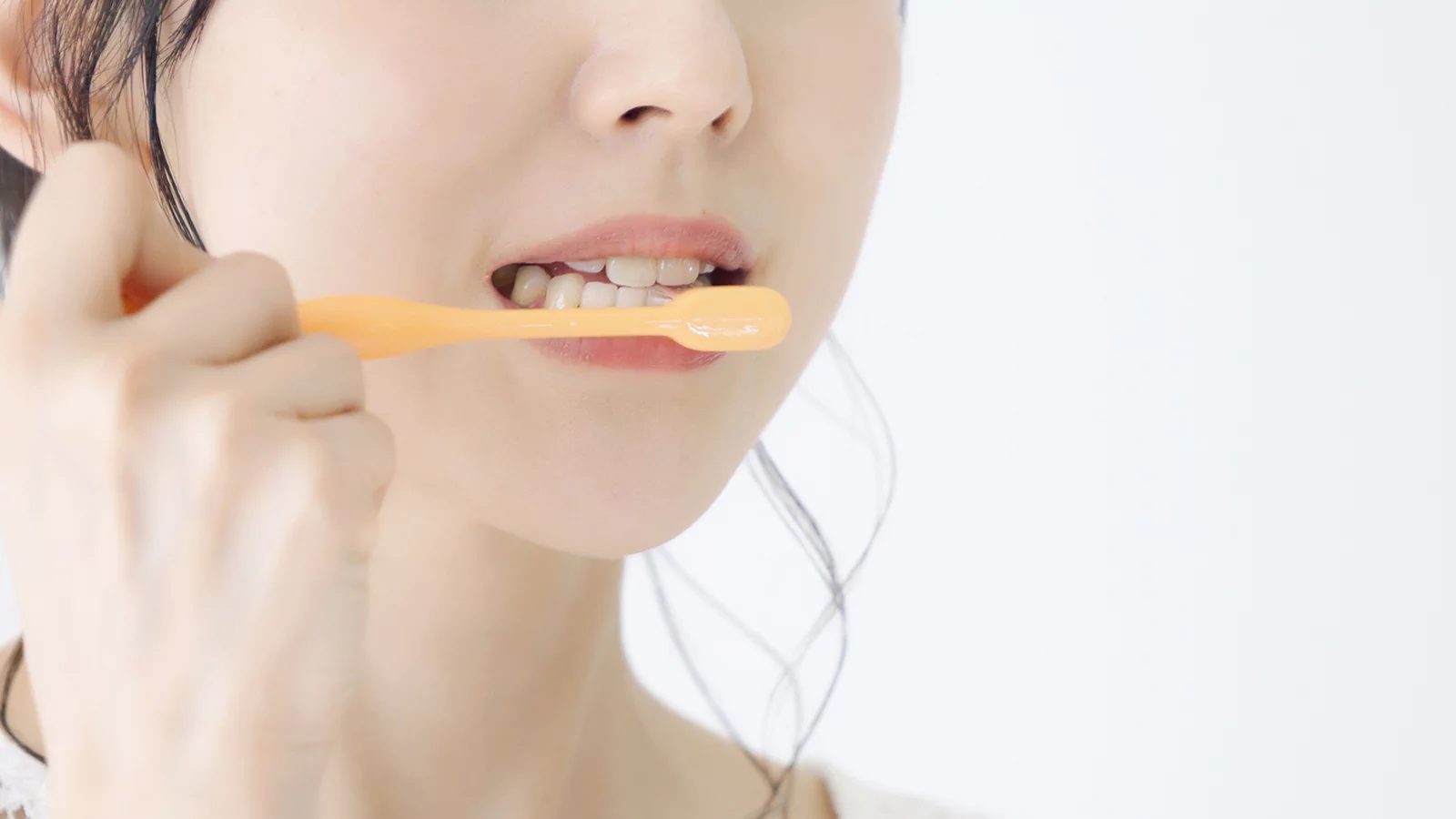
After eating, drink water or unsweetened tea. If possible, brush your teeth; if that is difficult, rinse or chew xylitol gum to freshen your mouth.
Snacks less likely to cause tooth decay
When choosing snacks, we recommend cheese, unsalted and unsweetened nuts, plain yogurt, boiled eggs, vegetable sticks, and rice crackers made without sugar. Eat fruit in small amounts, without grazing. For drinks, water or tea as your basic choice is a safe option.
Summary
With snacking, how often and how long you eat matter more for tooth decay than how much. Set the number of times and the timing, reset your mouth after eating, and brush carefully before bed. Just keeping these three things in mind helps reduce your risk of decay. Since how easily people get decay differs, please ask at your regular checkup about prevention methods that suit you.
ESCA Dental & Orthodontic Clinic is in the ESCA underground shopping mall, a 1-minute walk from the Shinkansen exit of JR Nagoya Station. Appointments by phone (+81-52-452-1255), online booking (Japanese) or LINE.
Frequently asked questions
Q. What if I cannot brush right after a snack?
Drink water or unsweetened tea, rinse your mouth, or chew xylitol gum to freshen your mouth. Brush carefully at night.
Q. Is chocolate likely to cause tooth decay?
It is high in sugar and sticks to the teeth, so it is a food that easily causes decay. Have it together after a meal, and rinse or brush afterward.
Q. Sports drinks are healthy, so they are fine, right?
They contain sugar and many are acidic, so sipping them over a long time can cause decay. For everyday hydration, we recommend water or tea.
Related pages
Medical review
This article was reviewed by Katsuaki Takeuchi, DDS (Director; Board-certified oral surgeon, Japanese Society of Oral and Maxillofacial Surgeons), ESCA Dental & Orthodontic Clinic. It provides general information; please consult a dentist about your own condition.
Appointments and questions
Mon–Fri 10:00–13:00 / 14:30–19:30 · Sat & Sun 10:00–13:00 / 14:00–18:00 (open every other Sunday) · Closed on national holidays. Our staff mainly speak Japanese.