
What Happens If You Skip Your Retainer? Wear Time and Duration
Published: 2026-03-11 · Updated: 2026-11-22 · Medically reviewed by Katsuaki Takeuchi, DDS (Director; Board-certified oral surgeon, Japanese Society of Oral and Maxillofacial Surgeons)
What you will learn
- Why a retainer is needed after orthodontics
- What happens if you do not wear it, and a guide to wear time and duration
- Types of retainers, and what to do when you have trouble
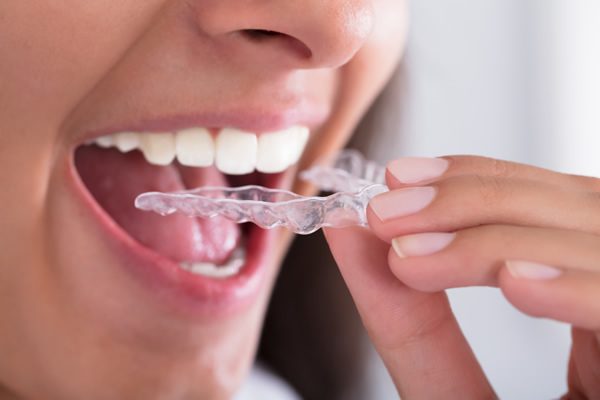
When orthodontic treatment ends and the braces come off, many people may think, "That's it, I'm done!" But in fact, the retention period that follows is very important.
Teeth that have just been moved by orthodontics are not yet stable. In this article, we explain why you wear a retainer, what happens if you do not, and a guide to wear time.
Why is a retainer needed?
Teeth are held in the jawbone through a tissue called the periodontal ligament. In orthodontic treatment, force is applied to the teeth to move them little by little within the bone, but the bone and gums around teeth that have just been moved have not yet settled in the new position. So if nothing is done, the teeth try to return to their original positions. This is called relapse.
A retainer is an appliance that holds the corrected teeth in their new positions and supports them until the surrounding bone and gums become stable.
What happens if you do not wear your retainer?
- The teeth gradually move
- When you put it on after a long break, the retainer feels tight
- The retainer no longer fits
- The teeth you worked to straighten go back to how they were
Right after orthodontics ends is when the teeth move most easily. Even a few days without it can make the retainer feel tight. If relapse becomes large, orthodontic treatment may be needed again.
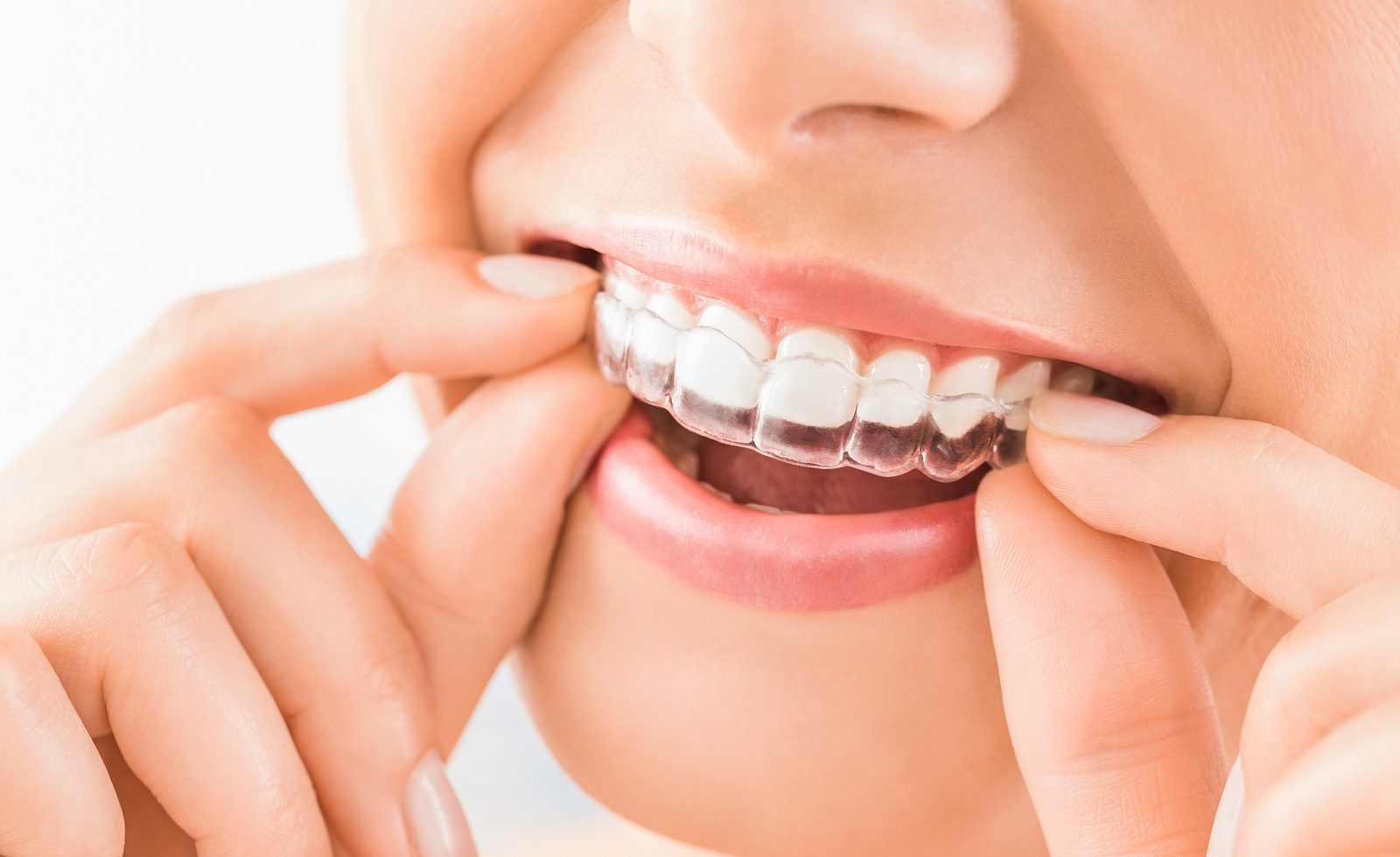
A guide to wear time and duration
We are often asked, "Is it OK to wear my retainer only while sleeping?" Wear time changes depending on how long it has been since orthodontics ended. In general, it often goes like this.
- Right after orthodontics: 20 hours or more a day, except while eating and brushing
- For a few months to about a year: gradually reduce the time while checking the stability of the teeth
- After that: wear it only while sleeping
The retention period is said to be about as long as the orthodontic treatment took, or longer. Teeth move little by little with age, so we may recommend continuing to wear a retainer while sleeping for a long time. This differs depending on your teeth alignment and treatment, so follow your dentist's instructions.
Types of retainers
- Mouthpiece type: clear and less noticeable. Can be removed for cleaning
- Wire type (removable): made of wire and resin. Durable and easy to adjust
- Fixed type: a thin wire bonded to the back of the front teeth. You cannot remove it yourself, so you never forget to wear it
Which type to use is decided according to your teeth alignment, the original condition of your teeth and your lifestyle. Sometimes different types are used for the upper and lower teeth.
Caring for your retainer
When you take out a removable retainer, rinse it under running water and gently brush it with a soft toothbrush. Toothpaste can cause fine scratches, so we recommend not using it. Avoid hot water, which can deform it. When you take it out, do not wrap it in a tissue; always store it in its case (if wrapped in a tissue, you may throw it away by mistake). For details on cleaning, please also see our article on mouthpiece care.
If it is lost, broken or does not fit
If your retainer is lost, broken, or so tight it will not go in, do not leave it; please contact us as soon as possible. The longer you go without it, the more relapse progresses. We will check your teeth alignment and remake or adjust it.
Summary: retention is the finishing step of orthodontics
Orthodontic treatment does not end when the braces come off; it continues until the teeth are stabilized with a retainer. Follow the instructed wear time and have regular checks to keep your teeth aligned for a long time. If you have any concerns about your retainer, please feel free to consult us.
ESCA Dental & Orthodontic Clinic is in the ESCA underground shopping mall, a 1-minute walk from the Shinkansen exit of JR Nagoya Station. Appointments by phone (+81-52-452-1255), online booking (Japanese) or LINE.
Main risks and side effects
- During orthodontic treatment, there may be pain or discomfort as the teeth move
- If brushing is not thorough, the risk of tooth decay and gum disease increases
- Tooth roots may become shorter (root resorption) or gums may recede. After treatment, teeth may shift back if a retainer is not used
Frequently asked questions
Q. How many years should I wear a retainer?
About as long as the orthodontic treatment took, or longer, is a guide. Teeth move with age, so we may recommend continuing a sleep-only retainer for a long time.
Q. My retainer feels tight.
After a long time without it, the teeth may have moved slightly and it may feel tight. Do not force it in; please consult us soon.
Q. I have lost my retainer.
Please contact us as soon as possible. It will need to be remade. The longer you go without it, the more easily relapse progresses.
Medical review
This article was reviewed by Katsuaki Takeuchi, DDS (Director; Board-certified oral surgeon, Japanese Society of Oral and Maxillofacial Surgeons), ESCA Dental & Orthodontic Clinic. It provides general information; please consult a dentist about your own condition.
Appointments and questions
Mon–Fri 10:00–13:00 / 14:30–19:30 · Sat & Sun 10:00–13:00 / 14:00–18:00 (open every other Sunday) · Closed on national holidays. Our staff mainly speak Japanese.