
How to Clean Aligners and Retainers: Preventing Dirt and Odor
Published: 2026-02-26 · Updated: 2026-11-22 · Medically reviewed by Katsuaki Takeuchi, DDS (Director; Board-certified oral surgeon, Japanese Society of Oral and Maxillofacial Surgeons)
What you will learn
- Why mouthpieces get dirty and smelly
- How to clean them every day, and how to use cleaning tablets
- What not to do, and when to replace them
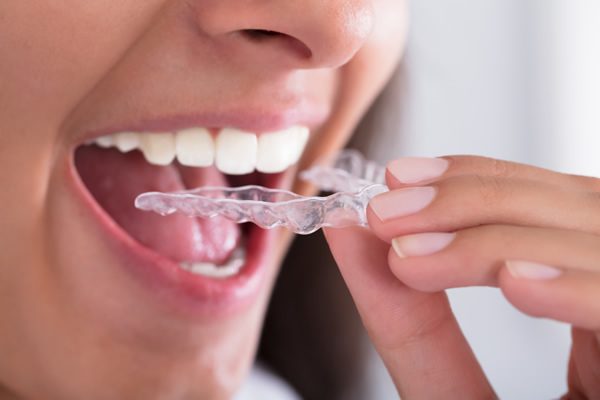
As more people start clear aligner treatment, we often hear, "I am bothered by the smell and dirt on my mouthpiece."
Clear aligners, retainers after orthodontics, and night guards for grinding are used in the mouth every day, so they get dirty easily. In this article, we introduce how to care for your mouthpiece to keep it clean.
Why mouthpieces get dirty and smelly
- Food debris and plaque stick to them
- Components of saliva harden into whitish deposits (similar to tartar)
- Coffee, tea, curry and the like stain them
- Bacteria in the mouth multiply and cause odor
A mouthpiece stays in the mouth for long hours, so it is easily affected by oral bacteria and saliva. If you keep using a dirty mouthpiece, it can cause not only odor but also tooth decay and gum inflammation.
How to clean it every day
1. Rinse it with water as soon as you take it out
When you take it out, rinse off saliva and debris under running water (cold or lukewarm). Over time, debris hardens and becomes harder to remove.
2. Brush it gently with a soft toothbrush
Keep a soft toothbrush just for your mouthpiece. Gently brush the inside, outside and small grooves to remove debris. Toothpaste often contains abrasives that leave fine scratches on the mouthpiece, which make it pick up dirt and odor more easily, so we recommend not using it.
3. Soak it in a cleaner now and then
Using a mouthpiece cleaner a few times a week reduces dirt and odor that brushing cannot remove. Follow the time and method in the cleaner's instructions, and rinse well with water before putting it back in your mouth. Denture cleaners may not suit the material of your mouthpiece, so please ask us before using one.
Differences in care by appliance
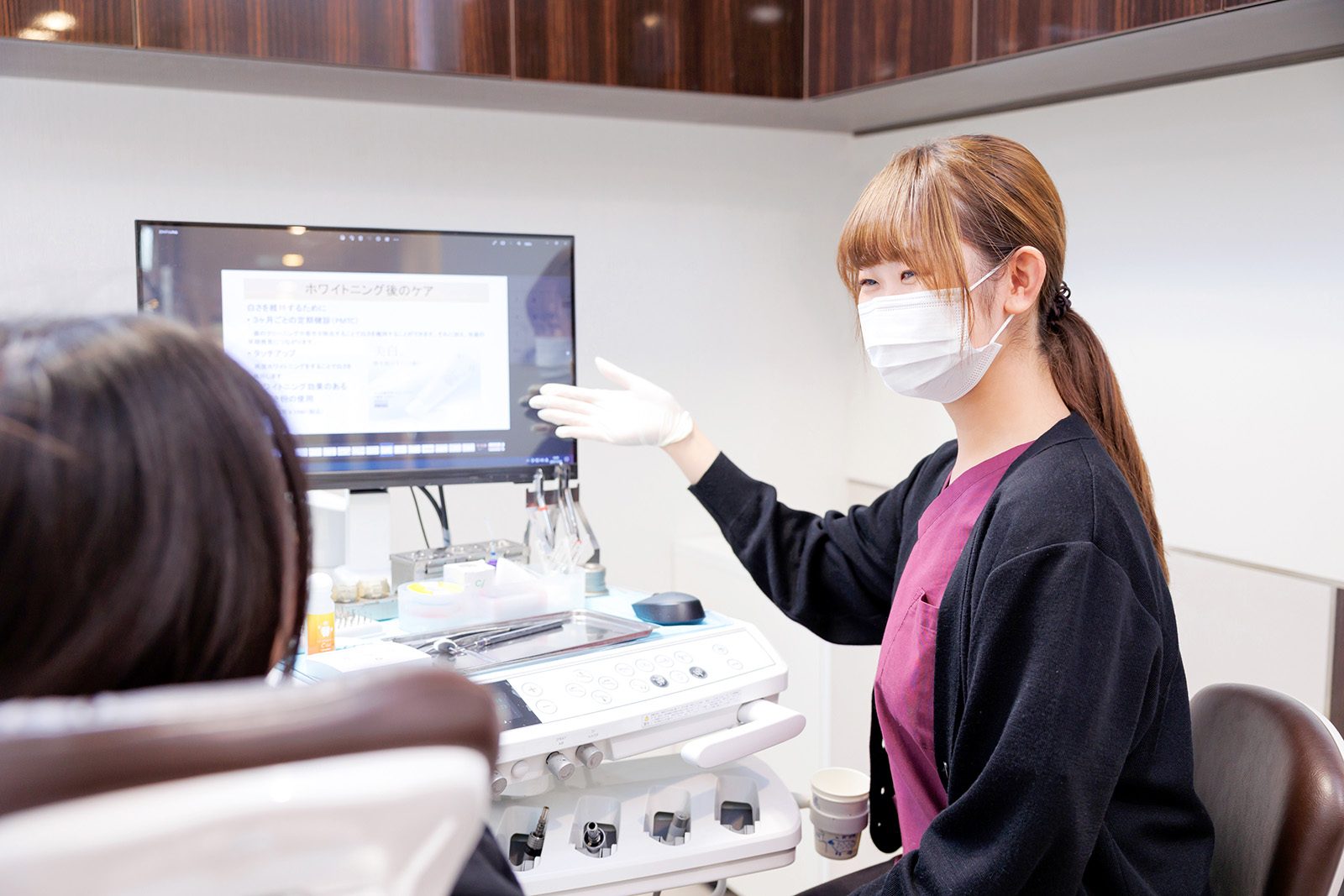
Clear aligners are replaced with new ones every 1–2 weeks or so, so keep them clean with daily rinsing and brushing as the basics. Since they are worn 20 hours or more a day, ideally take them out and clean them at every meal.
Retainers and night guards are used for a long time, so dirt builds up more easily, and whitish hardened deposits may form. In addition to brushing, we recommend using a cleaner a few times a week. If hardened deposits will not come off, bring the appliance to your regular checkup.
What not to do
- Washing it with hot water or boiling it (this can deform it)
- Scrubbing it with toothpaste or a hard brush (this can scratch it)
- Drinking sweet or strongly colored drinks while wearing it
- Wrapping it in a tissue and putting it down (you may throw it away by mistake)
- Leaving it in hot places, such as in a car
Brush your teeth before putting your mouthpiece in
A mouthpiece covers the surface of the teeth. If you put it in with food debris or plaque still on your teeth, the debris is trapped between the teeth and mouthpiece, causing tooth decay and bad breath. After meals, brush your teeth before putting it in; if you cannot brush right away, rinse your mouth well before putting it in.
Storage, and when to replace it
After taking it out, clean it and store it in its case. It is also important to wash the case now and then to keep it clean.
Mouthpieces are made of plastic, so with use they wear, discolor and develop small cracks. For retainers and night guards, it is time to replace them when they break, no longer fit, or become hard to clean. Have their condition checked at your regular checkup.
Summary
You can keep your mouthpiece clean with daily rinsing, brushing and an occasional cleaner. Avoid hot water and toothpaste, and store it in its case. If you have any questions about care, please feel free to ask our staff.
ESCA Dental & Orthodontic Clinic is in the ESCA underground shopping mall, a 1-minute walk from the Shinkansen exit of JR Nagoya Station. Appointments by phone (+81-52-452-1255), online booking (Japanese) or LINE.
Main risks and side effects
- Washing a mouthpiece in hot water can deform it so it no longer fits your teeth. Continuing to use an appliance that does not fit can affect tooth movement and alignment
- Using it while dirty can cause tooth decay, gum inflammation and bad breath
Frequently asked questions
Q. The smell on my mouthpiece will not go away.
If a cleaner does not remove it, the debris may have hardened or the surface may have fine scratches. Please bring it in and we will check its condition.
Q. Should I not clean it with toothpaste?
Toothpaste containing abrasives leaves fine scratches on the mouthpiece, which actually makes dirt and odor stick more easily. Clean it with water and a soft brush.
Q. Can I drink anything other than water while wearing my mouthpiece?
Sugary or strongly colored drinks collect inside the mouthpiece and cause decay and staining. We recommend taking it out to drink.
Related pages
Medical review
This article was reviewed by Katsuaki Takeuchi, DDS (Director; Board-certified oral surgeon, Japanese Society of Oral and Maxillofacial Surgeons), ESCA Dental & Orthodontic Clinic. It provides general information; please consult a dentist about your own condition.
Appointments and questions
Mon–Fri 10:00–13:00 / 14:30–19:30 · Sat & Sun 10:00–13:00 / 14:00–18:00 (open every other Sunday) · Closed on national holidays. Our staff mainly speak Japanese.