
Electric vs Manual Toothbrush: Which Suits You and How to Use It
Published: 2026-04-08 · Updated: 2026-11-22 · Medically reviewed by Katsuaki Takeuchi, DDS (Director; Board-certified oral surgeon, Japanese Society of Oral and Maxillofacial Surgeons)
What you will learn
- Pros and cons of electric and manual toothbrushes
- Which suits which kind of person
- Tips for using an electric toothbrush, and habits that lead to bad breath
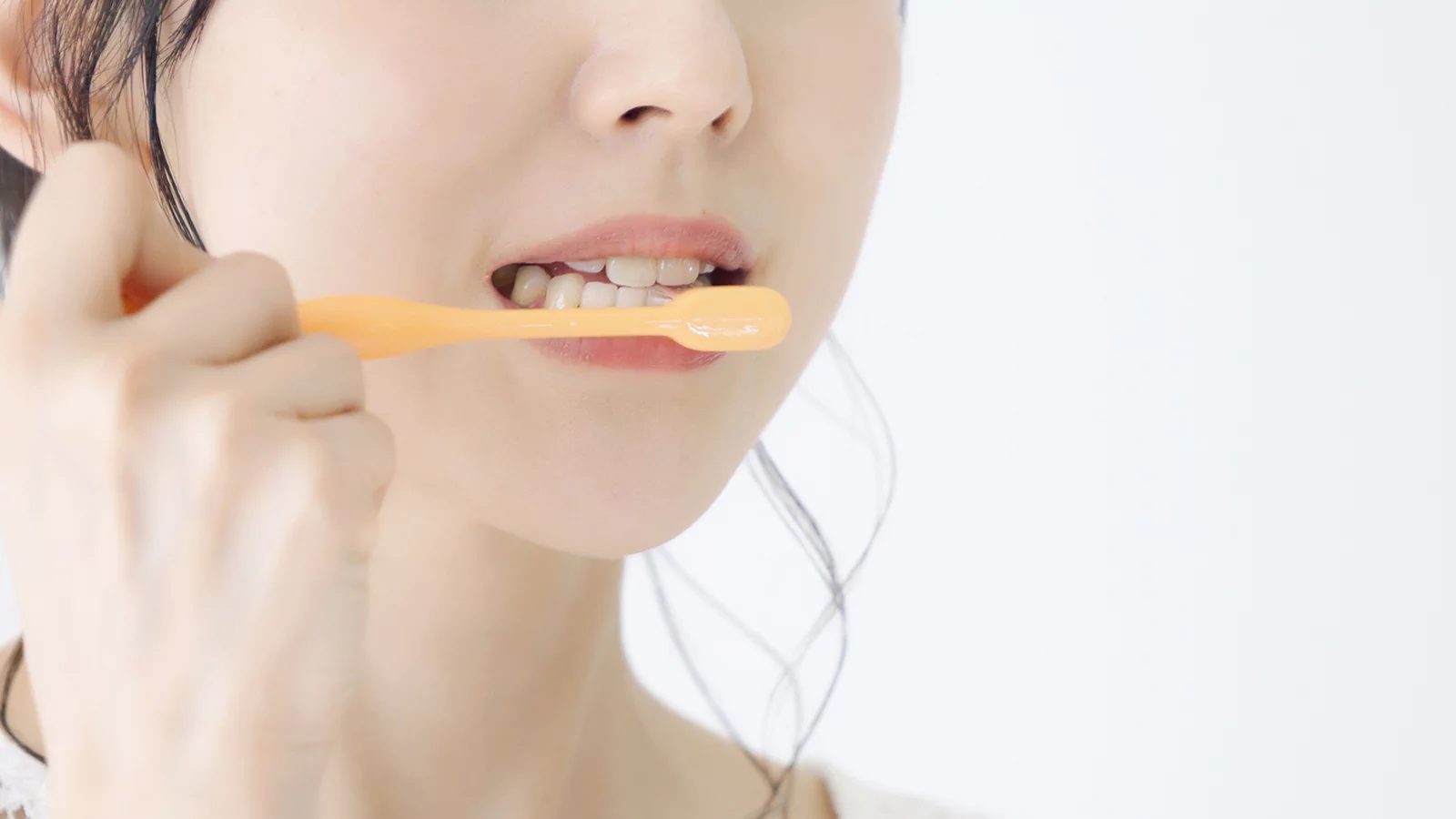
"Which is better, an electric toothbrush or a manual one?" This is a question we are often asked at the clinic.
In short, each suits some people better than others. Whether you are using it correctly matters far more than which one is better. In this article, we introduce the features of each and tips for choosing and using them.
Features of electric toothbrushes
- Pros: easy to brush in a short time / fine vibrations remove debris easily / helps reduce missed spots
- Points to note: debris is not removed if the brush is placed poorly / pressing hard can damage gums and teeth / the handle and replacement heads cost money
They suit busy people and people who tend to rush their brushing.
Features of manual toothbrushes
- Pros: you can finely adjust pressure and angle yourself / keeps costs down / cleans well enough if used correctly
- Points to note: results vary with brushing skill / takes time / missed spots are more likely
If you have a habit of brushing carefully, a manual toothbrush is enough.
Which should you choose?
- Busy, or brushing tends to be rough → electric toothbrush
- You can brush carefully → manual toothbrush
- During orthodontics, or teeth that are hard to brush → an electric toothbrush is also an option
- Difficulty moving the hands or fingers → an electric toothbrush may be easier
Whichever you use, a toothbrush alone cannot fully remove debris between the teeth. Combine it with floss or interdental brushes.
Tips for using an electric toothbrush
- Do not scrub; place it on one tooth at a time and move slowly
- Do not press hard (the bristles lightly touching is enough)
- Make sure the bristles touch where the teeth meet the gums
- Avoid toothpaste with a lot of abrasive, and use only a small amount
- Replace the head when the bristles splay (about every 2–3 months)
If you move an electric toothbrush in large strokes like a manual one, it actually removes debris less well. The key is to place it and wait.
Types of electric toothbrushes
There are mainly two types of electric toothbrush: rotating types and fine-vibration types (sonic, ultrasonic and so on). Rotating types have a round head that cleans each tooth as if wrapping around it. Vibrating types are shaped like an ordinary toothbrush and remove debris with fine vibrations.
Which is better depends on your mouth and preferences. If your gums have receded or you have many crowns, it is reassuring to choose a soft brush head or a model with a feature that warns you when you press too hard. Ease of holding, head size, and how easy it is to get replacement heads are also points to consider.
Tips for brushing well with a manual toothbrush
With a manual toothbrush, the basics are to hold it lightly like a pen, place the bristles where the teeth meet the gums, and move it in small strokes. Large strokes only slide the bristles over the tooth surface and tend to leave debris behind.
Deciding on a brushing order reduces missed spots. For example, start on the outside of the upper right, then go around to the upper left, lower left and lower right, then do the insides and the biting surfaces, brushing in the same order every time.
If you notice bad breath even though you brush every day
Many people are concerned about bad breath even though they brush every day. Habits like the following may be contributing to bad breath.
- Stopping at brushing and leaving tongue coating as it is
- Not using floss or interdental brushes (debris remains between the teeth)
- Not drinking enough fluids (saliva decreases and bacteria increase)
- Brushing too hard, damaging the gums and causing inflammation
- Brushing well only in the morning and neglecting care before bed
- Relying on mouthwash alone (it is only a temporary measure)
- Long gaps between meals (saliva tends to decrease)
Care before bed is especially important. Saliva decreases during sleep, and bacteria multiply easily. Remove tongue coating with a tongue brush, gently stroking from back to front. If bad breath does not improve, gum disease or other problems may be involved.
Summary: how you use it and regular checks matter more than the tool
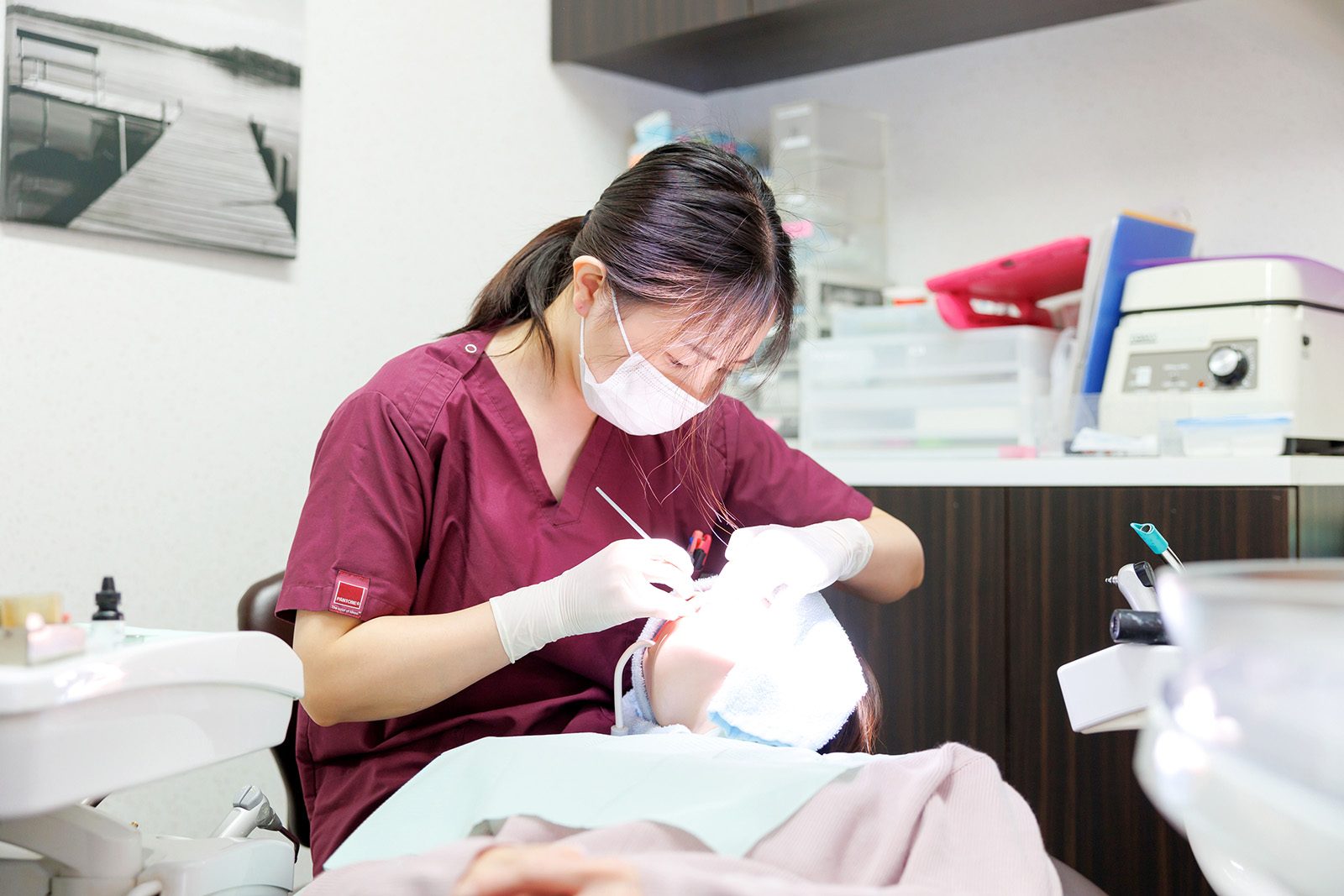
Both electric and manual toothbrushes can clean well if used correctly. Choose a tool that suits you, and combine it with floss, interdental brushes and tongue care. You can check at your regular checkup whether your current brushing is removing debris. Please feel free to consult us.
ESCA Dental & Orthodontic Clinic is in the ESCA underground shopping mall, a 1-minute walk from the Shinkansen exit of JR Nagoya Station. Appointments by phone (+81-52-452-1255), online booking (Japanese) or LINE.
Main risks and side effects
- Pressing an electric toothbrush hard can make the gums recede or wear down the teeth
- If you have orthodontic appliances or bridges, the way you place the brush can damage the appliance, so check how to use it before you start
Frequently asked questions
Q. Can an electric toothbrush damage my teeth or gums?
Pressing hard or using a lot of abrasive toothpaste can damage them. The trick is to place it lightly and move it slowly.
Q. How many minutes should I brush with an electric toothbrush?
About 2 minutes in total is a guide, but more important than time is reaching every tooth surface.
Q. Can children use electric toothbrushes?
There are electric toothbrushes for children. Whether they suit your child depends on age and how they are used, so please consult us together with finishing brushing by a parent.
Related pages
Medical review
This article was reviewed by Katsuaki Takeuchi, DDS (Director; Board-certified oral surgeon, Japanese Society of Oral and Maxillofacial Surgeons), ESCA Dental & Orthodontic Clinic. It provides general information; please consult a dentist about your own condition.
Appointments and questions
Mon–Fri 10:00–13:00 / 14:30–19:30 · Sat & Sun 10:00–13:00 / 14:00–18:00 (open every other Sunday) · Closed on national holidays. Our staff mainly speak Japanese.