
Stages of Tooth Decay (C0 to C4) and How Treatment Differs
Published: 2026-03-21 · Updated: 2026-11-22 · Medically reviewed by Katsuaki Takeuchi, DDS (Director; Board-certified oral surgeon, Japanese Society of Oral and Maxillofacial Surgeons)
What you will learn
- Tooth structure and the five stages of tooth decay (C0–C4)
- Symptoms at each stage, and how treatment differs
- Tips for finding decay early so treatment stays small

"Tooth decay treatment" can mean very different things depending on how far the decay has progressed. While it is small, it may be finished in one visit; once it has progressed, you may need many visits, or the tooth may not be saved.
In this article, we introduce the stages C0–C4 that describe how far decay has progressed, and the treatment for each.
Know the structure of a tooth
A tooth is made of layers, from the outside: enamel, dentin, and pulp (nerve and blood vessels). Enamel is the hardest tissue in the body, but the dentin inside it is softer, and decay progresses easily there. The stages are divided according to which layer the decay has reached.
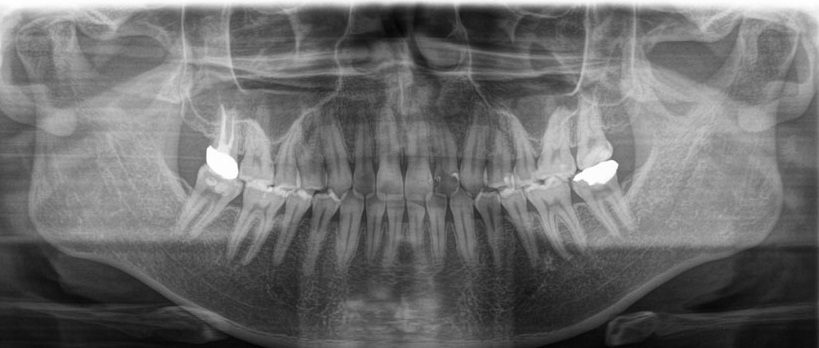
The five stages of tooth decay and their treatment
C0: Early decay (initial demineralization)
The tooth surface looks cloudy white or feels rough. There is no hole yet. At this stage, the tooth surface may be repaired (remineralized) with fluoride and careful daily brushing. This is a stage where we often monitor the tooth regularly without drilling.
C1: Decay in the enamel
A small hole has formed in the enamel. There are almost no symptoms such as pain. Most treatment involves removing only the decayed part with minimal drilling and filling it with white resin (composite resin), finished in one visit. If the area is large, we may take an impression and make a filling.
C2: Decay that has reached the dentin
The decay has reached the dentin. Because dentin is soft, decay spreads easily inside, and symptoms such as sensitivity to cold or sweet things appear. If the area is small, it can be treated with resin, but if it is large, we take an impression and make a filling (inlay).
C3: Decay that has reached the nerve
The decay has reached the nerve. Strong symptoms may appear, such as throbbing pain even without any stimulus, or sensitivity to warm things. If the nerve is infected by bacteria, root canal treatment is needed: the nerve is removed and the inside of the root is thoroughly cleaned and disinfected. Because the inside of the root is disinfected several times, it takes a number of visits. After root canal treatment, the tooth becomes brittle, so a crown is often placed to protect it.
C4: Only the root of the tooth remains
Most of the head of the tooth is gone and only the root remains. The nerve may die and the pain may temporarily disappear, but pus may collect at the root tip and cause swelling. It is difficult to save the tooth, and extraction is often needed at this stage. After extraction, we consider replacing the tooth with a bridge, denture, implant or the like.
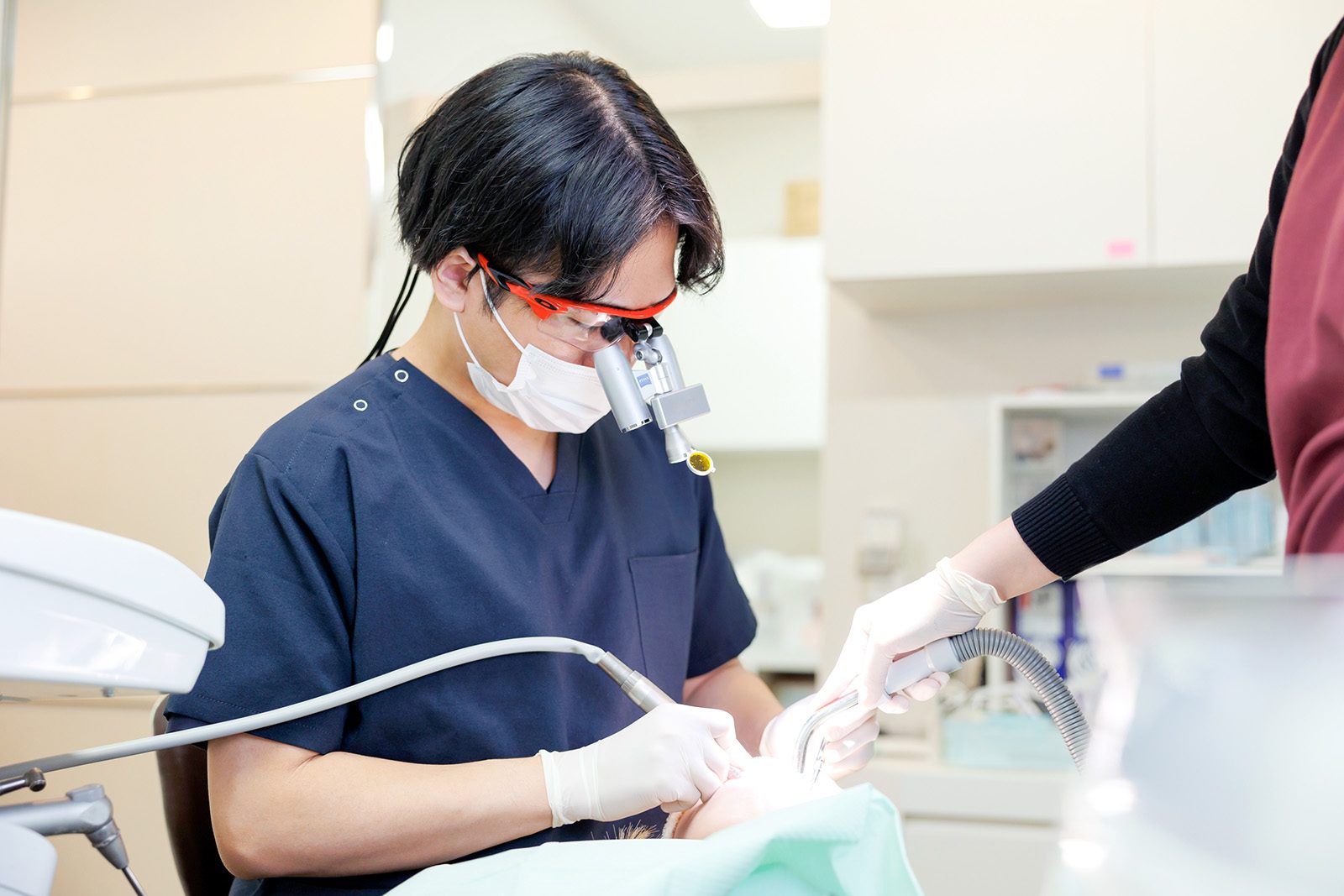
Our approach to drilling as little as possible and keeping the nerve
The more a tooth is drilled, the weaker it becomes, and drilled parts do not grow back. At our clinic, we treat while viewing fine details with high-magnification loupes, and use a dye that colors only decayed areas (caries detector) so that we do not remove too much healthy tooth. Even when decay has progressed close to the nerve, depending on the tooth's condition, treatment that keeps the nerve may be possible.
How to find decay while it is small
Decay at C0 or C1 has almost no symptoms such as pain. By the time you feel sensitivity or pain, it has often progressed to C2 or beyond. Decay between teeth or under fillings cannot be seen in a mirror. Regular checkups about every 3–6 months, including X-rays, let us find decay while it is small.
In daily care, use fluoride toothpaste, and also remove debris between the teeth with floss or interdental brushes. It is also important not to snack or sip sweet things over a long time.
Summary
The further tooth decay progresses, the bigger the treatment, and the more visits and cost it takes. If found and treated while small, less of the tooth needs to be drilled and the burden on your body is smaller. If you have any concerns, or have not been to a dental clinic for a while, please feel free to consult us.
ESCA Dental & Orthodontic Clinic is in the ESCA underground shopping mall, a 1-minute walk from the Shinkansen exit of JR Nagoya Station. Appointments by phone (+81-52-452-1255), online booking (Japanese) or LINE.
Main risks and side effects
- After decay is removed and filled, the tooth may feel sensitive for a while
- Even after treatment to keep the nerve, pain may appear later and root canal treatment may be needed
- Decay can recur at the border between a filling or crown and the tooth
Frequently asked questions
Q. Is it OK not to treat C0 decay?
C0 is a stage where the surface may be repaired with fluoride and careful brushing. We often monitor it without drilling, but it is important to check regularly that it is not progressing.
Q. If decay stops hurting, has it healed?
No, it has not. The nerve may have died, so you no longer feel pain. If left as it is, pus may collect at the root tip, so please see a dentist soon.
Q. Can tooth decay be treated under insurance?
Most decay treatment is covered by Japanese public health insurance. If you choose materials such as ceramics, it becomes self-paid (not covered by insurance).
Related pages
Medical review
This article was reviewed by Katsuaki Takeuchi, DDS (Director; Board-certified oral surgeon, Japanese Society of Oral and Maxillofacial Surgeons), ESCA Dental & Orthodontic Clinic. It provides general information; please consult a dentist about your own condition.
Appointments and questions
Mon–Fri 10:00–13:00 / 14:30–19:30 · Sat & Sun 10:00–13:00 / 14:00–18:00 (open every other Sunday) · Closed on national holidays. Our staff mainly speak Japanese.