
What Happens If You Leave a Missing Tooth? Risks and Treatments
Published: 2026-05-15 · Updated: 2026-11-22 · Medically reviewed by Katsuaki Takeuchi, DDS (Director; Board-certified oral surgeon, Japanese Society of Oral and Maxillofacial Surgeons)
What you will learn
- Changes in the mouth after losing just one tooth
- Effects on the bite, appearance and daily life
- Three ways to replace teeth, and the features of each

Some people leave a gap as it is after a tooth falls out from decay or an accident, or is extracted at a dental clinic. Reasons may include "It is hard to keep going to the clinic," "It costs money," or "It doesn't hurt."
However, oral health depends on all the teeth staying in balance. Losing even one tooth can upset that balance and have various effects. In this article, we explain the risks of leaving a lost tooth unreplaced, and ways to replace teeth.
If you leave a gap, the surrounding teeth move
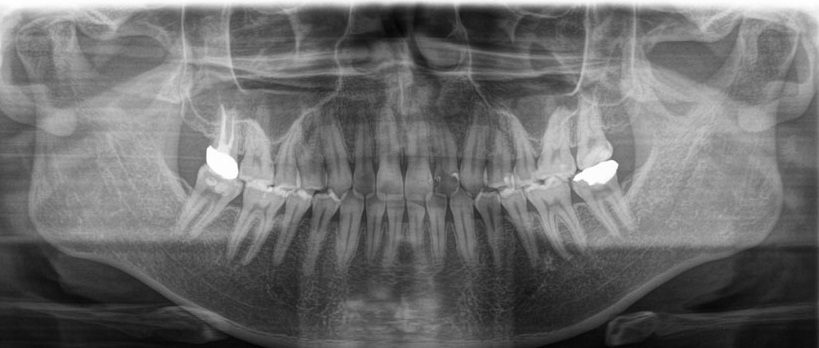
If a gap is left as it is, the positions of the surrounding teeth gradually change.
- The opposing tooth (the lower tooth, if an upper tooth was lost) grows longer, looking for something to bite against
- The teeth on both sides of the gap tilt toward it
- Gaps form between teeth, and food gets stuck more easily
As a result, the balance of the bite is lost, biting force concentrates on some teeth, and teeth may crack or the jaw joints may become painful. The longer time passes, the more the teeth move, and treatment to replace the tooth later may become more extensive.
Effects on oral function
- You can no longer chew food well
- Debris builds up more easily, raising the risk of tooth decay and gum disease
- Bad breath occurs more easily
- The remaining teeth are strained and crack more easily
Effects on appearance
Losing a front tooth greatly changes your appearance. Even with back teeth that are hard to see, the jawbone shrinks and the gums recede where a tooth is lost. Losing many back teeth can make the cheeks look sunken. Changes in alignment and bite can also change how your mouth area looks.
Effects on daily life
- Not chewing well increases the burden on the stomach and intestines
- Air escapes through gaps, making some sounds (such as s and t) harder to pronounce
- You start avoiding hard foods, and your diet becomes unbalanced more easily
- Biting force weakens, and you may find it harder to exert your body
Chewing food well is linked not only to the mouth but also to overall health and quality of life. Various studies are also under way on the relationship between chewing and general health.
Three ways to replace teeth
- Bridge: the teeth on both sides are shaped to act as supports, and the missing tooth is replaced as if spanning a bridge. Often covered by Japanese public health insurance, but it strains the supporting teeth
- Denture: removable, and can be used even when many teeth are lost. It can be made under insurance, but biting force is weaker than with your own teeth
- Implant: an artificial tooth root is placed in the jawbone to replace the tooth. The surrounding teeth do not need to be shaped, but surgery is needed and it is self-paid
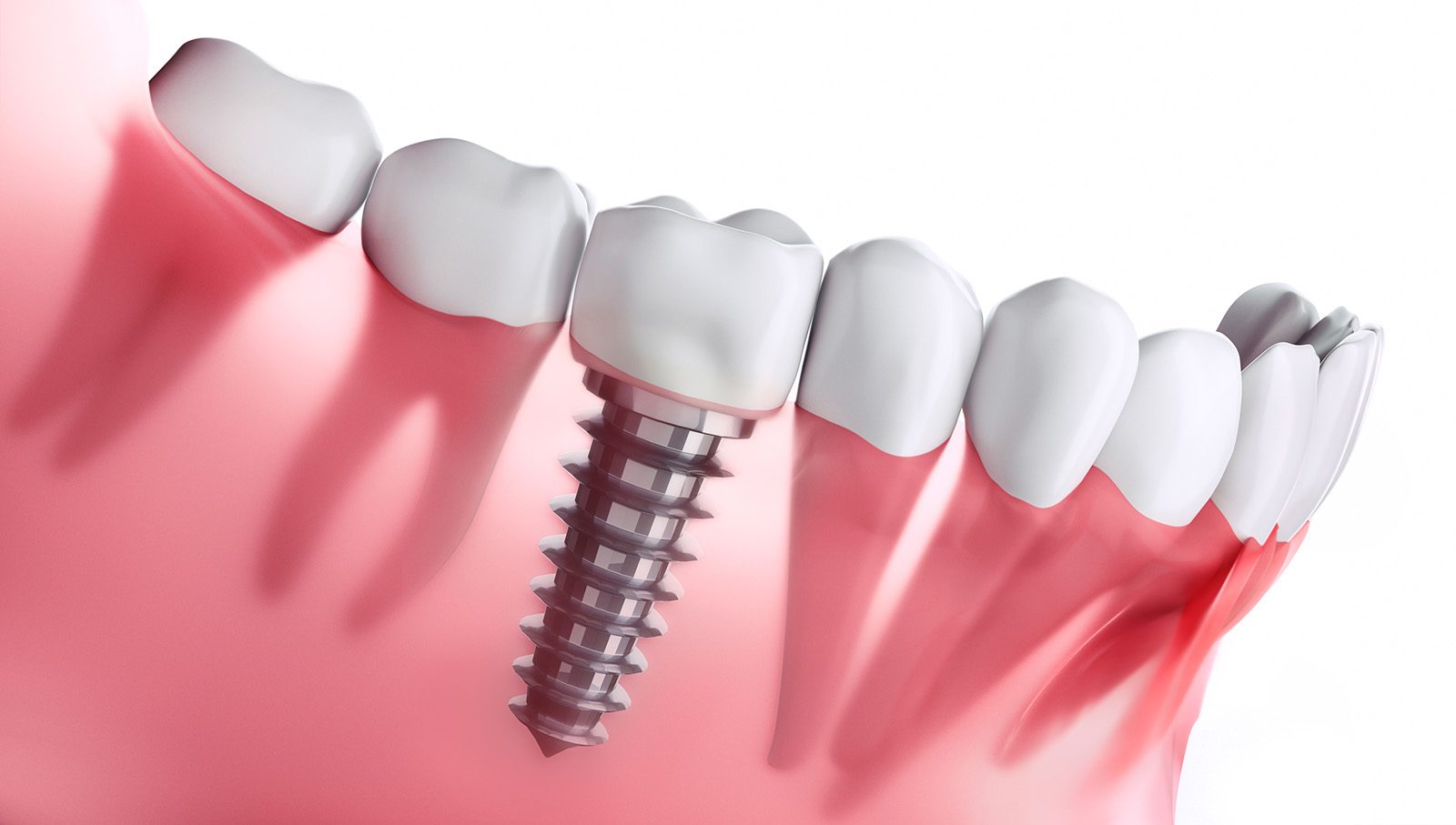
Each method has its advantages and points to note. Let us think about it together, taking into account your oral condition, wishes, number of visits, cost and so on.
Preventing tooth loss is also important
The main causes of tooth loss in adults are tooth decay and gum disease. Protect your remaining teeth with careful daily brushing and flossing, and regular checkups about every 3–6 months. If you grind or clench, it is also important to prevent teeth from cracking with a night guard. Even if you have already had teeth replaced, the supporting teeth of bridges and the teeth that denture clasps hook onto collect debris easily, so continue careful care.
Summary: if you lose a tooth, consult us early
If a lost tooth is left unreplaced, various effects appear over time, and the later it is treated, the more extensive treatment may become. If you are having trouble after losing a tooth, or have left a gap after an extraction, please feel free to consult us. We will examine you and explain which method suits you.
ESCA Dental & Orthodontic Clinic is in the ESCA underground shopping mall, a 1-minute walk from the Shinkansen exit of JR Nagoya Station. Appointments by phone (+81-52-452-1255), online booking (Japanese) or LINE.
Main risks and side effects
- Bridges require shaping the supporting teeth, which puts strain on them
- Dentures feel strange until you get used to them, and need regular adjustment or remaking
- Implants require surgery; there may be swelling and pain, and treatment may not be possible depending on the condition of the bone
Implants and self-paid dentures and bridges are self-paid (not covered by insurance). Please see the fee table for standard costs.
Frequently asked questions
Q. I am only missing one back tooth. Should I have it treated?
Even with one tooth, the surrounding teeth may move over time and the bite may be upset. We recommend replacing it early. We will look at your mouth and decide together whether to treat it.
Q. How soon after an extraction can treatment start?
It depends on the method and how the extraction site has healed. In some cases a temporary tooth can be placed, so please consult us before and after the extraction.
Q. Are there options covered by insurance?
Bridges and dentures are often covered by Japanese public health insurance. Implants are self-paid. We will explain the advantages and points to note for each.
Related pages
Medical review
This article was reviewed by Katsuaki Takeuchi, DDS (Director; Board-certified oral surgeon, Japanese Society of Oral and Maxillofacial Surgeons), ESCA Dental & Orthodontic Clinic. It provides general information; please consult a dentist about your own condition.
Appointments and questions
Mon–Fri 10:00–13:00 / 14:30–19:30 · Sat & Sun 10:00–13:00 / 14:00–18:00 (open every other Sunday) · Closed on national holidays. Our staff mainly speak Japanese.