
Self-Care During Gum Disease Maintenance: SPT and Daily Care
Published: 2026-08-21 · Updated: 2026-11-22 · Medically reviewed by Katsuaki Takeuchi, DDS (Director; Board-certified oral surgeon, Japanese Society of Oral and Maxillofacial Surgeons)
What you will learn
- Why maintenance is essential after gum disease treatment
- What SPT (supportive periodontal therapy) at the clinic involves
- Key points of daily self-care, and how to use mouthwash
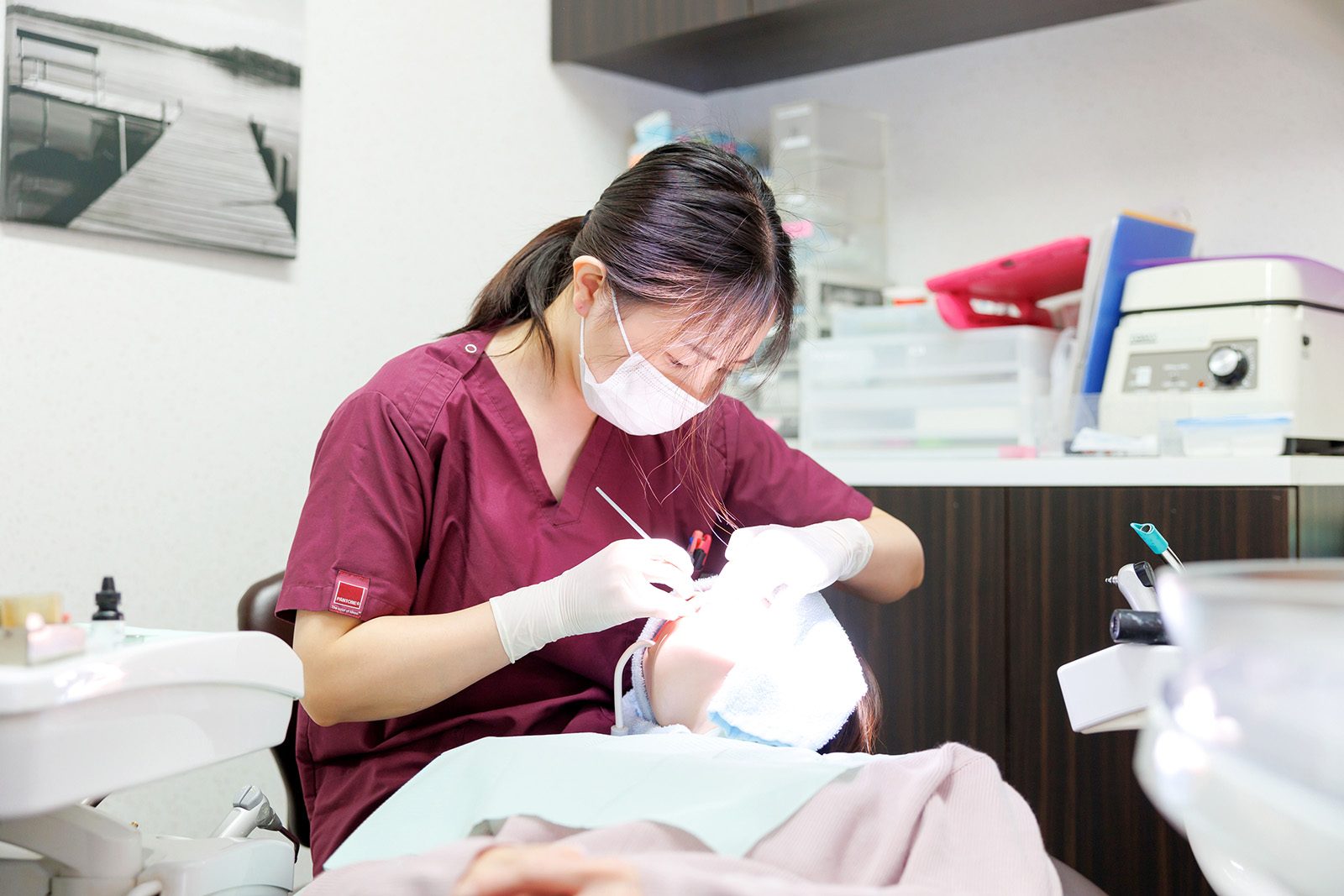
Even when gum disease treatment is finished and swelling and bleeding have settled, that is not the end. Gum disease is caused by bacteria in plaque and tends to come back. To keep your gums in good condition, both regular maintenance at the dental clinic and daily self-care at home are important.
In this article, we explain key points of self-care during gum disease maintenance.
Gum disease tends to come back
Even after tartar is removed and gum inflammation settles with treatment, areas where periodontal pockets remain deep, or where gums have receded and debris collects easily, are places where bacteria can easily multiply again.
Also, bone that has been lost is difficult to regain, so the key to keeping your teeth for a long time is not letting the condition that treatment has stabilized get any worse.
SPT (supportive periodontal therapy) at the dental clinic
The regular maintenance carried out after gum disease has been stabilized by treatment is called SPT (supportive periodontal therapy). If certain conditions are met, it is covered by Japanese public health insurance.
- Measuring the depth of periodontal pockets and checking for bleeding to see how your condition has changed
- Removing tartar and debris that has built up below the gumline
- Cleaning the tooth surfaces to make it harder for plaque to stick
- Checking areas that are often missed and reviewing how you care for them
- Checking whether your bite is putting strain on any teeth
As a guide, visits are every 1 to 3 months, depending on the condition of your mouth. If your condition is stable, the interval may be gradually lengthened.
The basis of daily self-care is removing plaque by brushing
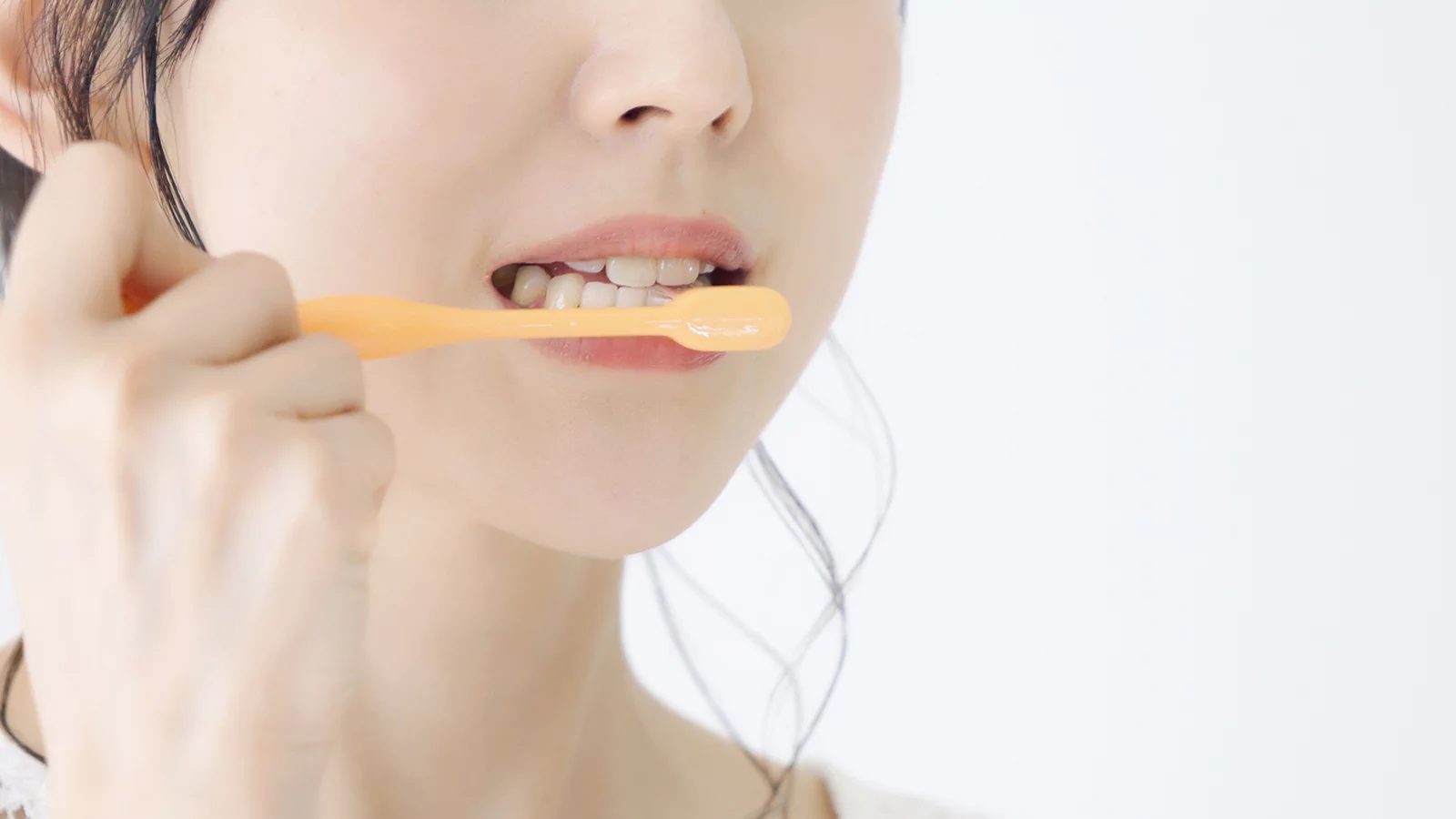
Plaque, which causes gum disease, is a sticky mass of bacteria that cannot be removed by rinsing alone. The basis is removing it mechanically with a toothbrush, interdental brushes and dental floss.
Toothbrush
Using a soft to medium toothbrush, place the bristle tips where the teeth meet the gums and move them gently with small strokes. Where the gums have receded, make sure to brush down to the base of the tooth.
Interdental brushes and floss
Gum disease often progresses from between the teeth. Use interdental brushes for wide gaps and floss for narrow ones. It is important to choose an interdental brush size that fits the gap.
Mouthwash as an extra on top of brushing
Mouthwashes containing antibacterial ingredients (such as CPC: cetylpyridinium chloride) help keep bacteria in the mouth from multiplying, supporting gum care and helping prevent bad breath. However, using mouthwash does not mean your gum disease care is complete. Use it as a supplement after removing plaque by brushing.
It is important to choose a mouthwash, toothbrush and interdental brush that suit the condition of your mouth. Please ask a dental hygienist at your maintenance visit.
Take extra care with home care if you: are in gum disease maintenance / are concerned about swollen or bleeding gums / are concerned about bad breath / smoke / have diabetes
Lifestyle also affects gum health
Smoking reduces blood flow to the gums, makes gum disease progress more easily, and makes treatment less effective. People with diabetes are more prone to gum disease, and conversely, gum disease treatment is said to have a good effect on blood sugar control. Keeping up your body's resistance, by sleeping well and eating a balanced diet, is also important.
Summary: care at the clinic and care at home
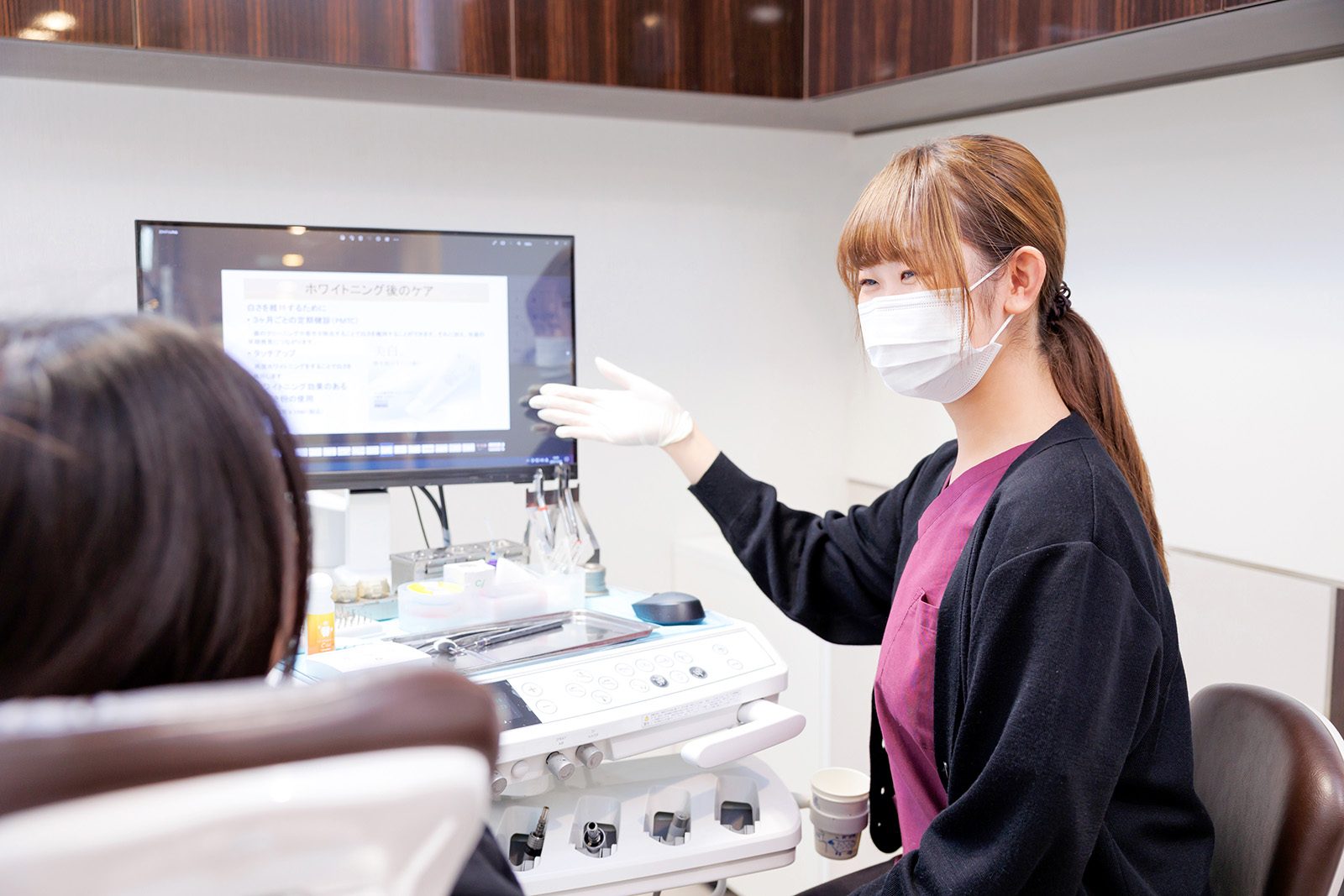
To protect the healthy gums you regained through gum disease treatment, it is important to keep up both regular maintenance at the dental clinic and daily self-care. At our clinic, we also offer a dedicated hygienist system, in which the same dental hygienist looks after you each time if you wish. Please feel free to ask us about choosing care products and more.
ESCA Dental & Orthodontic Clinic is in the ESCA underground shopping mall, a 1-minute walk from the Shinkansen exit of JR Nagoya Station. Appointments by phone (+81-52-452-1255), online booking (Japanese) or LINE.
Main risks and side effects
- After tartar below the gumline is removed, teeth may be sensitive for a while, or the gums may tighten so that gaps between teeth become more noticeable
- If you stop maintenance, gum disease may come back or get worse
Frequently asked questions
Q. My gum disease treatment is finished. Why do I need to keep coming?
Because gum disease tends to come back and rarely causes noticeable symptoms. By checking your condition regularly and removing debris below the gumline that you cannot remove yourself, we keep your gums in good condition.
Q. Is SPT covered by insurance?
If your gum disease has been stabilized by treatment and certain conditions are met, SPT is covered by Japanese public health insurance. Please ask your dentist or dental hygienist for details.
Q. Which mouthwash should I choose?
The right one depends on your purpose and the condition of your mouth, for example one with antibacterial ingredients (such as CPC) or a mild, alcohol-free one. We will advise you at your maintenance visit based on your mouth.
Medical review
This article was reviewed by Katsuaki Takeuchi, DDS (Director; Board-certified oral surgeon, Japanese Society of Oral and Maxillofacial Surgeons), ESCA Dental & Orthodontic Clinic. It provides general information; please consult a dentist about your own condition.
Appointments and questions
Mon–Fri 10:00–13:00 / 14:30–19:30 · Sat & Sun 10:00–13:00 / 14:00–18:00 (open every other Sunday) · Closed on national holidays. Our staff mainly speak Japanese.