
Is Fluoride Safe? How It Prevents Cavities and How to Use It
Published: 2026-09-03 · Updated: 2026-11-22 · Medically reviewed by Katsuaki Takeuchi, DDS (Director; Board-certified oral surgeon, Japanese Society of Oral and Maxillofacial Surgeons)
What you will learn
- Four ways fluoride prevents cavities
- What to know about the safety of fluoride
- Using fluoride toothpaste, mouthwash and professional application

You probably often see the word fluoride, on toothpaste labels or when the dentist suggests a fluoride application. At the same time, some people may wonder whether it is bad for the body.
In this article, we explain how fluoride prevents cavities, how its safety is viewed, and how to use it well.
What is fluoride?
The "fluoride" used in dentistry refers to substances called fluoride compounds. Fluoride is found in small amounts in everyday foods and drinks such as tea and seafood, and we take in a little every day through our normal diet. However, that amount alone is considered too small to expect a cavity-preventing effect.
Four ways fluoride prevents cavities
- Strengthens teeth: makes the tooth surface more resistant to acid
- Reduces dissolving: limits the loss of minerals from teeth caused by acid (demineralization)
- Helps recovery: helps dissolved minerals return to the teeth (remineralization)
- Reduces bacterial activity: weakens the ability of cavity-causing bacteria to produce acid
Put simply, fluoride strengthens teeth, helps weakened tooth surfaces recover, and reduces the acid produced by cavity-causing bacteria. Newly erupted teeth are especially weak against acid, so fluoride is helpful in preventing cavities in children.
Is fluoride safe?
International organizations such as the WHO (World Health Organization) and Japanese dental societies recommend the use of fluoride to prevent cavities. Guidelines for intake and upper limits to avoid taking in too much have been set, and fluoride is considered safe to use when the specified amounts and concentrations are followed.
Toothpaste, mouthwash and professional application at the clinic are all spat out after use, so the amount that enters the body is very small. Because the amounts and concentrations are controlled, using them in combination is considered to be no problem.
For small children, parents should adjust the amount of toothpaste to suit their age, so they do not swallow too much.
Use fluoride in three ways, combined
1. Fluoride toothpaste (every day)
When brushing every day, use a fluoride toothpaste with a concentration and amount suited to your age. After brushing, rinse just once with a small amount of water so more fluoride stays in your mouth.
2. Fluoride mouthwash (as needed)
For people prone to cavities, using a fluoride mouthwash at a different time from brushing increases how often teeth are exposed to fluoride. Follow the product instructions for how to use it.
3. Fluoride application at the dental clinic (regularly)
At the dental clinic, fluoride at a higher concentration than home products is applied to the tooth surface. At our clinic, we apply fluoride for patients who come for regular checkups. It is applied after cleaning removes debris, which makes it more effective.
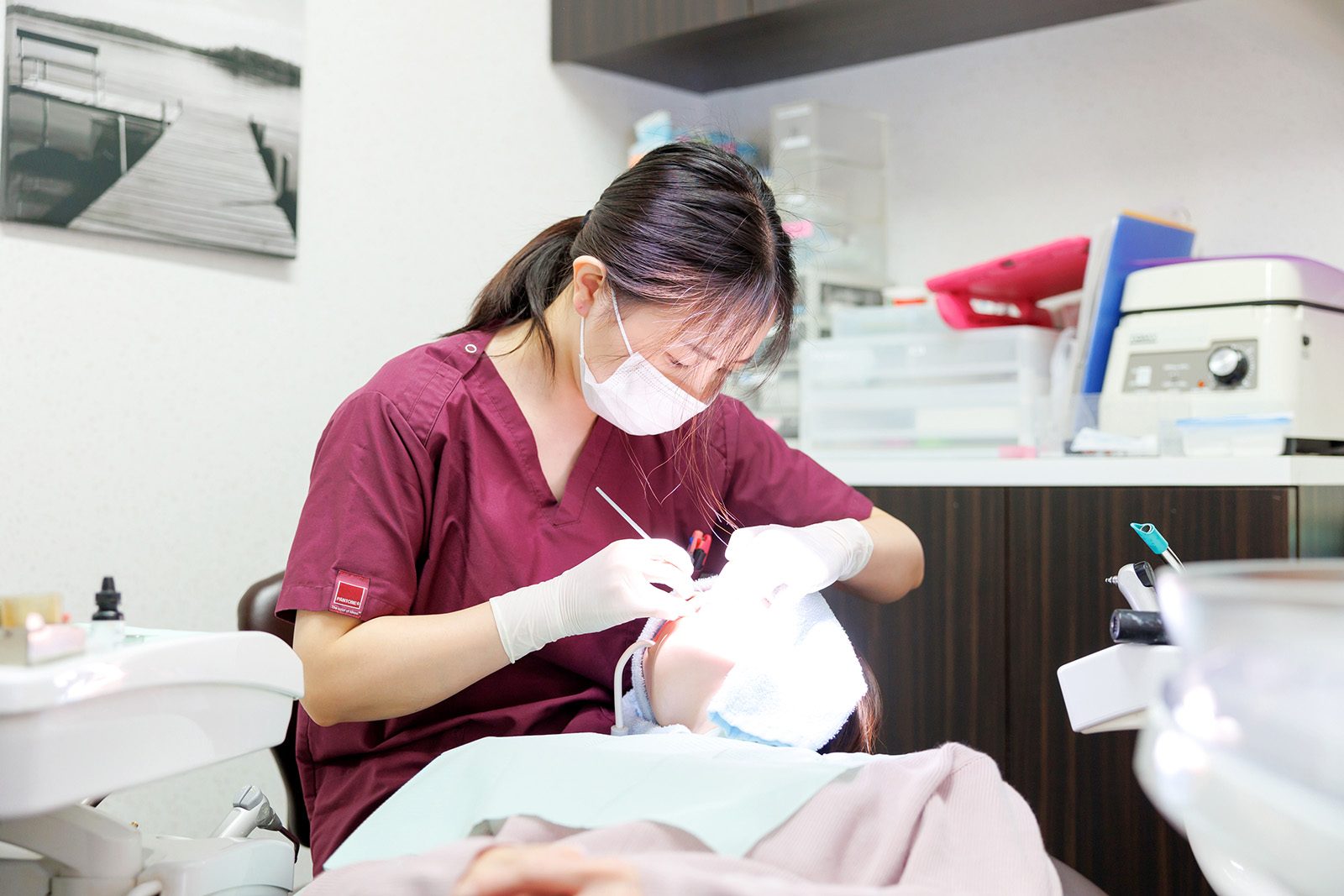
Do not rely on fluoride alone; daily care matters too
Fluoride helps prevent cavities, but it cannot fully prevent them on its own. Prevent cavities by combining brushing to remove debris, being careful about how you have sweet things, and having regular checkups.
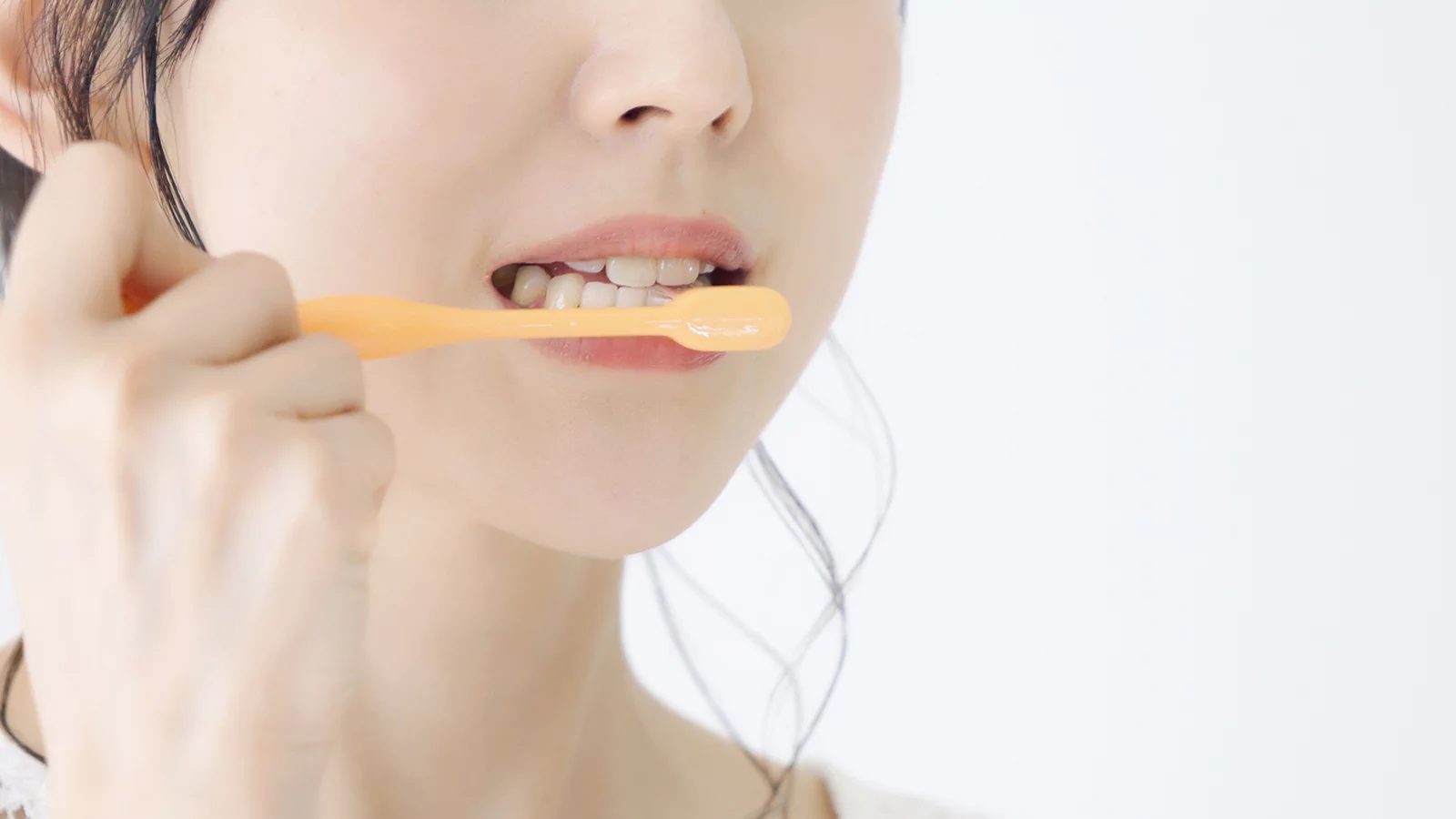
Choose a concentration suited to age
As a guide, the fluoride concentration of toothpaste is 1,400 to 1,500 ppm for ages 6 and over, including adults, and 1,000 ppm for ages 5 and under (based on the 2023 recommendations of Japanese dental societies and others). Check the label on the package when choosing.
Summary: use fluoride well to prevent cavities
When used in the specified amounts, fluoride is a way of preventing cavities that children and adults can use with peace of mind. Combine fluoride toothpaste every day with fluoride application at the dental clinic to protect your teeth.
ESCA Dental & Orthodontic Clinic is in the ESCA underground shopping mall, a 1-minute walk from the Shinkansen exit of JR Nagoya Station. Appointments by phone (+81-52-452-1255), online booking (Japanese) or LINE.
Frequently asked questions
Q. How often should I have fluoride applied?
We recommend about once every 3 to 6 months, at your regular checkup. For people prone to cavities, the interval may be shorter.
Q. Do adults need fluoride too?
Yes. As adults age, the gums may recede and expose the roots of the teeth, and roots are prone to cavities. Use a fluoride toothpaste with a concentration suited to your age.
Q. Is there anything to be careful about after fluoride application?
Avoiding eating, drinking and rinsing for about 30 minutes after application helps the fluoride stay on your teeth.
Related pages
Medical review
This article was reviewed by Katsuaki Takeuchi, DDS (Director; Board-certified oral surgeon, Japanese Society of Oral and Maxillofacial Surgeons), ESCA Dental & Orthodontic Clinic. It provides general information; please consult a dentist about your own condition.
Appointments and questions
Mon–Fri 10:00–13:00 / 14:30–19:30 · Sat & Sun 10:00–13:00 / 14:00–18:00 (open every other Sunday) · Closed on national holidays. Our staff mainly speak Japanese.