
Vitamin C and Healthy Gums: Collagen and Gum Disease
Published: 2026-09-14 · Updated: 2026-11-22 · Medically reviewed by Katsuaki Takeuchi, DDS (Director; Board-certified oral surgeon, Japanese Society of Oral and Maxillofacial Surgeons)
What you will learn
- How gums, collagen and vitamin C are connected
- Vitamin C, gum disease and bleeding gums
- Foods rich in vitamin C, and how to get enough
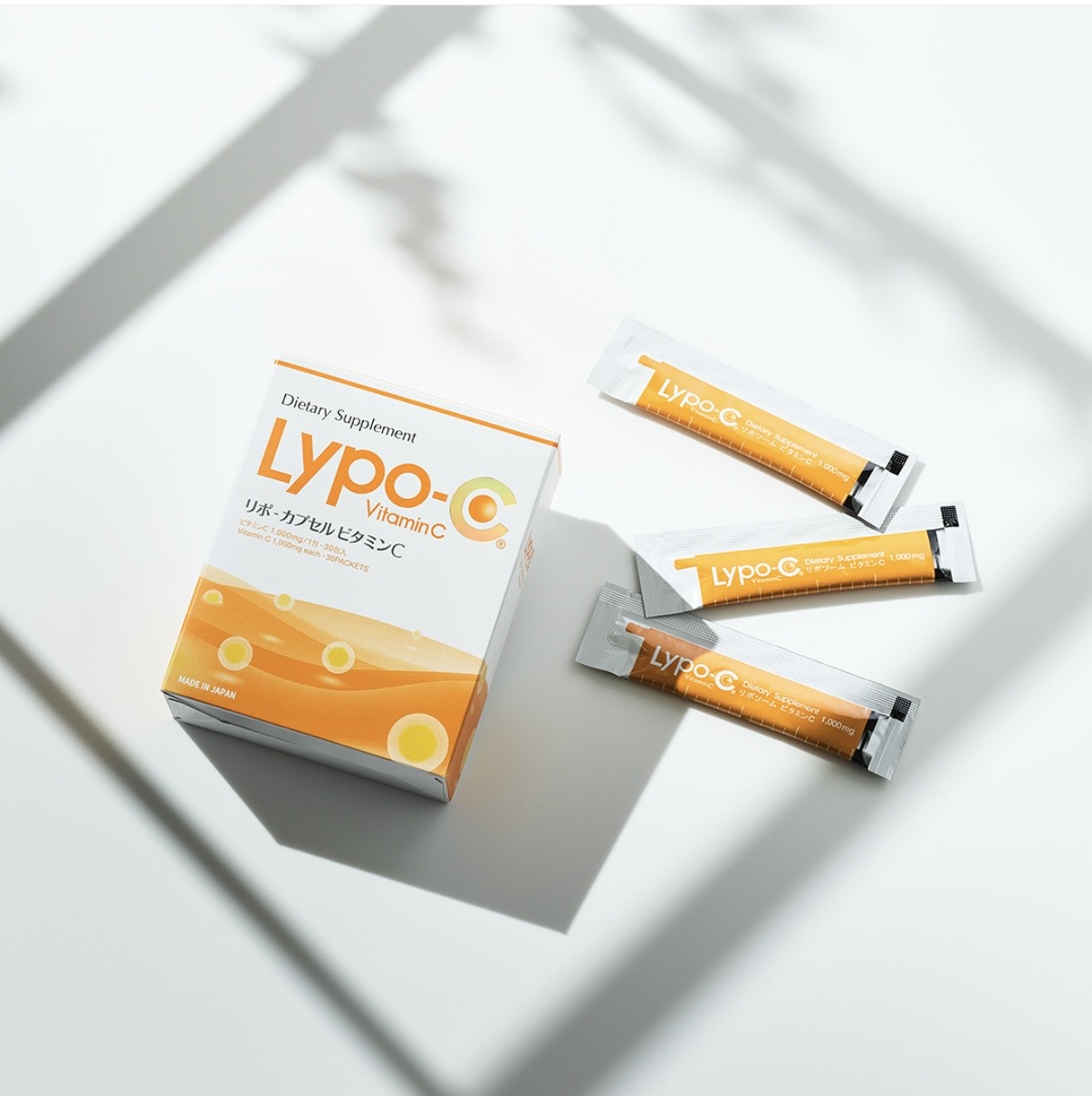
Vitamin C is a water-soluble vitamin, also called ascorbic acid. You may associate it mainly with healthy skin, but it is also an essential nutrient for keeping your gums healthy.
In this article, we explain the relationship between vitamin C and gum health.
Gums are made of collagen
Collagen is a type of protein that makes up important parts of the body, such as bone, gums and skin. Much of the gum tissue (about 60%, it is said) is collagen, and collagen fibers keep the gums firm and elastic.
The body's collagen is said to decrease gradually with age. When collagen decreases, the gums can lose elasticity and become more prone to inflammation.
Vitamin C is essential for making collagen
The body needs vitamin C to make collagen. It has long been known that a severe lack of vitamin C makes the gums bleed more easily.
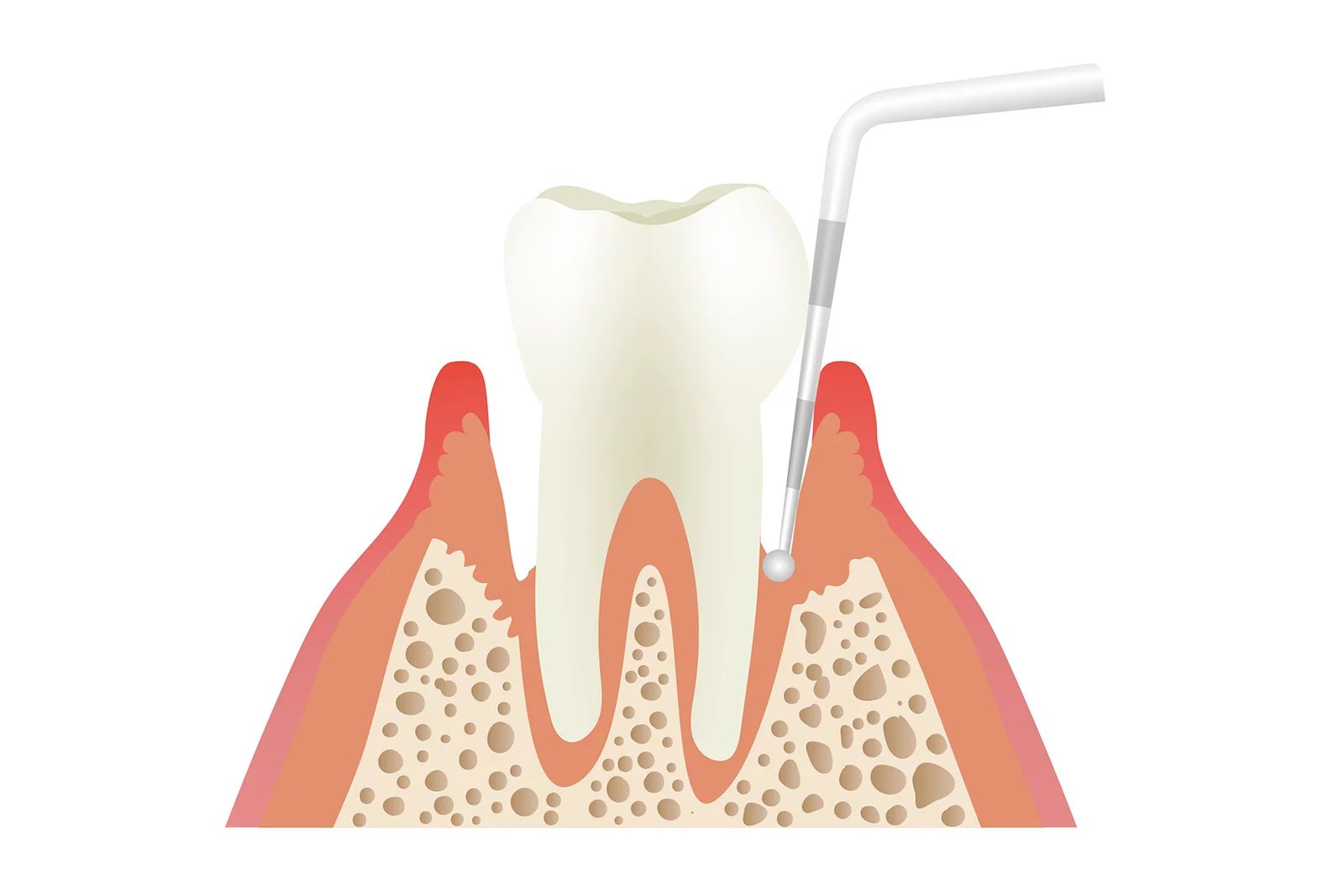
When the gums become inflamed, enzymes that break down collagen become active, destroying collagen fibers and causing swelling and bleeding. Getting enough vitamin C is thought to help support the maintenance of gum tissue.
It also supports immunity and protects the body
Vitamin C is found in large amounts in white blood cells, which fight viruses and bacteria, and it supports the immune system. It also has an antioxidant effect, suppressing reactive oxygen species, which can damage cells when there are too many in the body. Gum disease is a chronic inflammation caused by bacteria, so keeping up your body's resistance is also important.
If you get mouth ulcers easily, review your diet too
Mouth ulcers (canker sores) are said to appear more easily with fatigue, stress, lack of sleep and an unbalanced diet. Eating a good balance of vegetables, fruit, meat and fish containing B vitamins and vitamin C helps keep the lining of the mouth healthy. A mouth ulcer that does not heal for more than 2 weeks may be a sign of another condition, so have it checked by a dentist or physician.
However, the main cause of gum disease is bacteria in plaque. Taking vitamin C alone will not cure gum disease. The basis is daily brushing, plus tartar removal and cleaning at the dental clinic.
Foods rich in vitamin C
- Vegetables: red and yellow bell peppers, broccoli, Brussels sprouts, potatoes and more
- Fruit: kiwi fruit, strawberries, persimmons, citrus fruits and more
Tips for getting enough
- The body cannot store vitamin C, so have a little at every meal
- It dissolves easily in water and is sensitive to heat, so eat foods raw, boil them briefly, or eat soups along with the broth
- People who smoke are said to be more likely to lack vitamin C
Fruit also contains sugar, so balance it with cavity prevention, for example by having it with meals rather than snacking on it throughout the day. If you use supplements, follow the amount on the label, and ask a doctor, dentist or pharmacist if you have any concerns.

What you can do every day for healthy gums
- Brush gently with the bristle tips placed where the teeth meet the gums
- Clean between teeth with floss or interdental brushes
- Cut down on smoking (it reduces blood flow to the gums and uses up vitamin C)
- Get enough sleep and rest to keep up your body's resistance
- Have a checkup and cleaning about once every 3 to 6 months
Bleeding or swollen gums are a signal from your body. While reviewing your nutrition, lifestyle and daily care, have your gums checked at a dental clinic early if symptoms that concern you continue.
Summary: protect your gums with both nutrition and daily care
Vitamin C is an important nutrient that maintains the collagen in your gums and supports your body's resistance. Along with a balanced diet, protect your gum health with careful daily brushing and regular cleaning. If bleeding or swollen gums concern you, please feel free to consult us.
ESCA Dental & Orthodontic Clinic is in the ESCA underground shopping mall, a 1-minute walk from the Shinkansen exit of JR Nagoya Station. Appointments by phone (+81-52-452-1255), online booking (Japanese) or LINE.
Frequently asked questions
Q. Are bleeding gums a sign of vitamin C deficiency?
A severe lack of vitamin C makes gums bleed more easily, but in most cases the cause is gum inflammation from plaque (gingivitis or gum disease). If bleeding continues, have your gums checked at a dental clinic.
Q. Are vitamin C supplements good for the gums?
They can help if you are not getting enough from food, but supplements alone will not cure gum disease. Follow the amount on the label, and ask a doctor, dentist or pharmacist if you have any concerns.
Q. Will eating a lot of fruit cause cavities?
Fruit also contains sugar, so snacking on it throughout the day can cause cavities. Have it with meals and rinse your mouth after eating, for example.
Related pages
Medical review
This article was reviewed by Katsuaki Takeuchi, DDS (Director; Board-certified oral surgeon, Japanese Society of Oral and Maxillofacial Surgeons), ESCA Dental & Orthodontic Clinic. It provides general information; please consult a dentist about your own condition.
Appointments and questions
Mon–Fri 10:00–13:00 / 14:30–19:30 · Sat & Sun 10:00–13:00 / 14:00–18:00 (open every other Sunday) · Closed on national holidays. Our staff mainly speak Japanese.