
Getting Used to New Dentures: Tips for Speaking and Eating
Published: 2026-09-16 · Updated: 2026-11-22 · Medically reviewed by Katsuaki Takeuchi, DDS (Director; Board-certified oral surgeon, Japanese Society of Oral and Maxillofacial Surgeons)
What you will learn
- Why new dentures need a period of getting used to them and adjustment
- How to practice speaking and eating, and tips for hard-to-eat foods
- Why you should have dentures adjusted early if they hurt or come loose

Many people using dentures for the first time struggle because speaking is difficult, chewing is hard, or the dentures feel strange. But if you stop wearing them, not only will the dentures stop fitting, but the remaining teeth may shift and your bite may change, affecting your mouth in many ways.
In this article, we share tips for getting used to new dentures and living comfortably with them.
Like new shoes, dentures need breaking in
New shoes may tire your feet or rub and hurt at first, but they adapt to your feet as you keep wearing them. Dentures are the same: as you gradually get used to eating and speaking with them, we make repeated adjustments wherever they hurt, so they settle into your mouth.
How long it takes varies from person to person, but it is not unusual for it to take several weeks to several months. Take it slowly, one step at a time.
Practice for getting used to speaking
When you first start wearing dentures, sounds such as "s" and "t" (the sa and ta rows of Japanese) may be harder to say. This is because your tongue is not yet used to the shape of the dentures.
- Read newspapers or books aloud, slowly
- Repeatedly practice sounds that are hard to say, such as "sa, shi, su, se, so" and "ta, chi, tsu, te, to"
- Talk while looking in a mirror to check how your mouth moves
- Make a point of spending more time talking with family and friends
Practice for getting used to eating
Start with soft foods or food cut into small pieces. As you get used to it, gradually try harder and larger foods. Try to chew with the back teeth on both sides, which helps keep the dentures stable. Trying to bite through food with your front teeth can make dentures come loose, so the trick is to cut food into bite-sized pieces first and chew with your back teeth.
How much does chewing force change with dentures?
Dentures have weaker chewing force than natural teeth. Compared with natural teeth, partial dentures are said to have about half to 60% of the chewing force, and full dentures about a quarter to 30%. Knowing that hard foods or foods that are hard to bite through take more time makes it easier to plan meals.
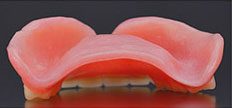
Hard-to-eat foods and how to eat them
- Small hard grains such as sesame seeds: they cause pain if they get between the denture and gums, so try ground sesame instead
- Squid, octopus and fibrous meat: score them, slice them thinly, or simmer them until soft
- Sticky foods such as rice cakes (mochi) and caramels: cut them small and eat a little at a time
- Raw vegetables: soften them by boiling or steaming
Rather than forcing yourself to chew hard-to-eat foods, making them easier to eat through cooking is gentler on both your dentures and your mouth.
Regular checks of your dentures and remaining teeth are also important
As the condition of your mouth changes over the years, dentures gradually stop fitting. If you keep using dentures that do not fit, you may get painful sores or injuries on the gums, debris may build up more easily, and your remaining teeth may be damaged.
If something hurts, the dentures come loose easily, or chewing is difficult, do not put up with it; please come in early. A small adjustment often makes them much easier to use.
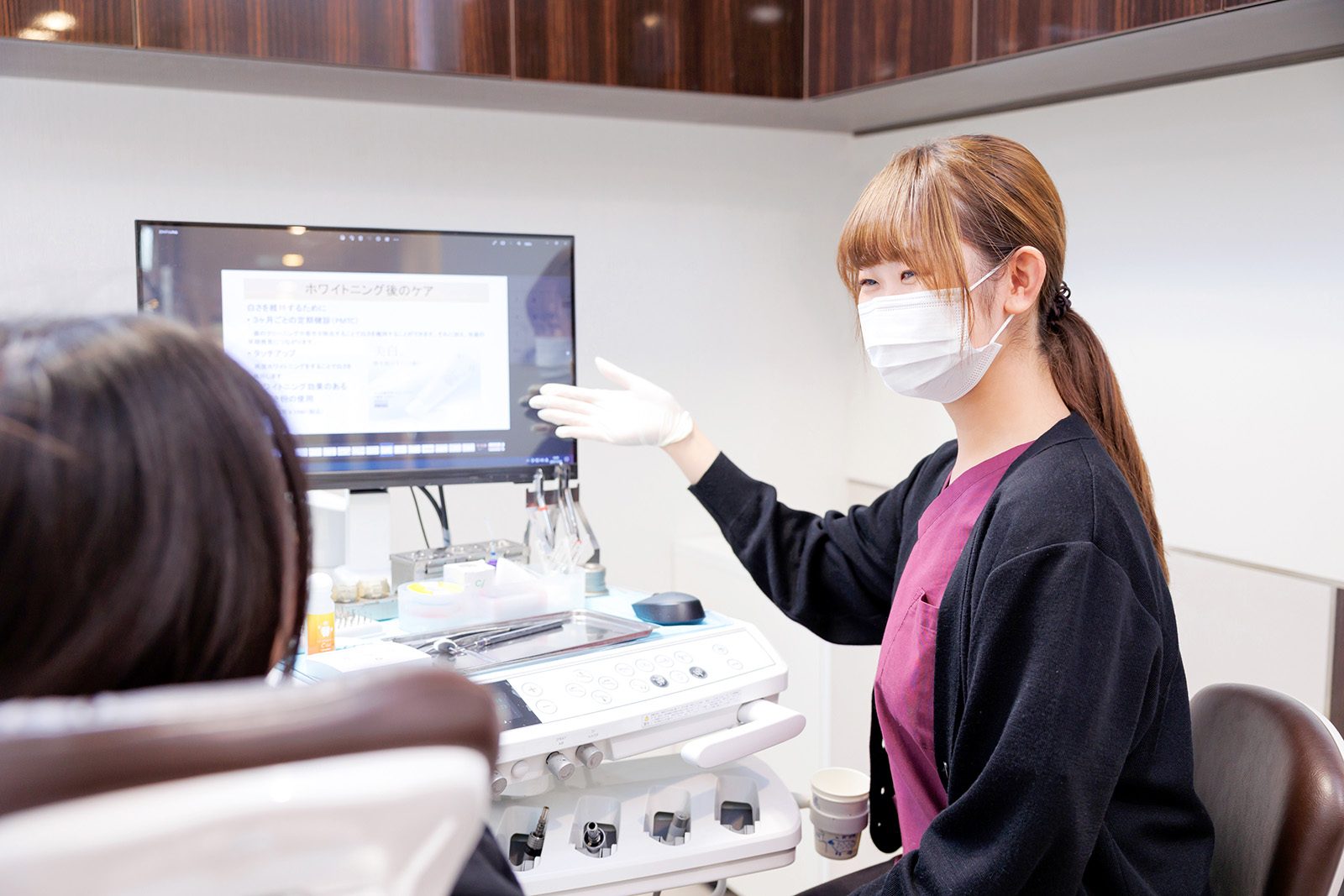
Caring for your dentures is also key to getting used to them
Dirty dentures cause odor, mouth sores and cavities in your remaining teeth. After every meal, take them out and brush them under running water; before bed, use a denture cleanser and store them in water. Dentures can warp if they dry out, so keep them in water while they are out of your mouth. Clean dentures also feel more comfortable to wear.
Summary: take your time, and let repeated adjustments help them settle in
With practice and repeated adjustments, new dentures gradually settle into your mouth. If your dentures do not fit or hurt, you are welcome to consult us even if they were made at another clinic.
ESCA Dental & Orthodontic Clinic is in the ESCA underground shopping mall, a 1-minute walk from the Shinkansen exit of JR Nagoya Station. Appointments by phone (+81-52-452-1255), online booking (Japanese) or LINE.
Main risks and side effects
- Until you get used to them, new dentures may make speaking difficult and cause pain or discomfort
- The gums and jawbone shrink over time, so regular adjustment or remaking will be needed
- Self-paid dentures (non-clasp dentures, metal-base dentures and so on) may not be suitable depending on the condition of your mouth
Non-clasp dentures, metal-base dentures and similar are self-paid treatment (not covered by insurance). Please see our fee table for standard fees.
Frequently asked questions
Q. If my dentures hurt, can I file them down myself?
Filing them yourself can throw off your bite or cause the dentures to crack. If something hurts, have them adjusted at a dental clinic.
Q. Can I wear my dentures while I sleep?
In general, we recommend taking them out at night to let your gums rest. However, depending on the condition of your mouth, it may be better to wear them, so please check with your dentist.
Q. Is it all right to use denture adhesive?
You can use it temporarily, but continuing to use ill-fitting dentures with adhesive can throw off your bite. If they stop fitting, consult us about adjusting or remaking them.
Related pages
Medical review
This article was reviewed by Katsuaki Takeuchi, DDS (Director; Board-certified oral surgeon, Japanese Society of Oral and Maxillofacial Surgeons), ESCA Dental & Orthodontic Clinic. It provides general information; please consult a dentist about your own condition.
Appointments and questions
Mon–Fri 10:00–13:00 / 14:30–19:30 · Sat & Sun 10:00–13:00 / 14:00–18:00 (open every other Sunday) · Closed on national holidays. Our staff mainly speak Japanese.