
Curaprox Toothbrushes: CS 5460 vs. CS Smart Compared
Published: 2026-09-28 · Updated: 2026-11-22 · Medically reviewed by Katsuaki Takeuchi, DDS (Director; Board-certified oral surgeon, Japanese Society of Oral and Maxillofacial Surgeons)
What you will learn
- Features of Curaprox toothbrushes
- How the CS 5460 and CS Smart differ, and who each suits
- How to remove plaque thoroughly with a soft toothbrush
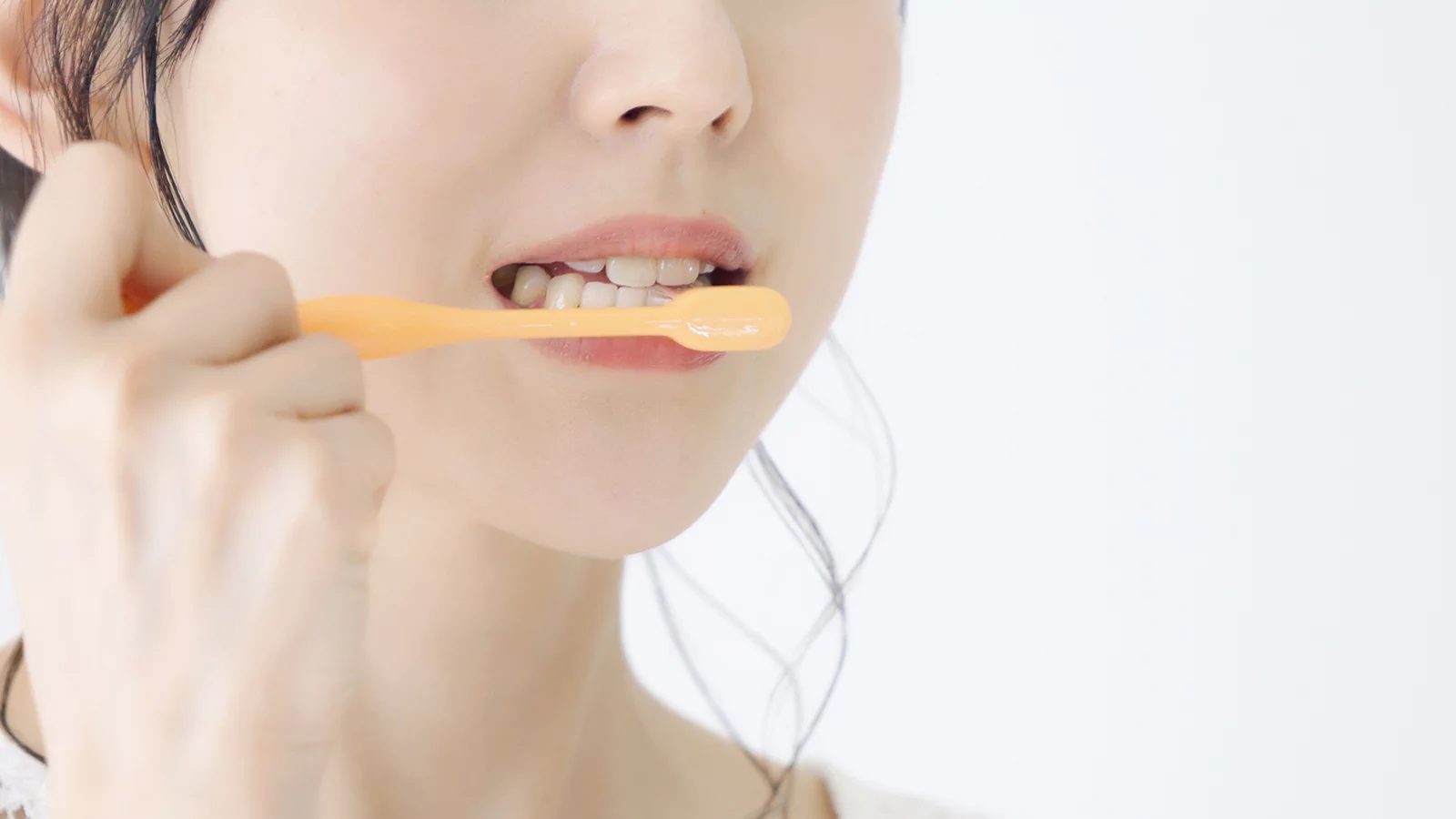
We are often asked, "I have heard of Curaprox, but what is the difference between the CS 5460 and the CS Smart?"
In this article, from a dental hygienist's point of view, we explain the differences between two particularly popular Curaprox toothbrushes, which are also popular at dental clinics, along with tips for choosing and brushing.
Features of Curaprox toothbrushes
Curaprox toothbrushes use bristles made of a material called CUREN, which is different from typical nylon bristles. Very fine bristles are densely packed, so although the brush feels soft, many bristle tips touch the tooth surface.
This makes it easier to remove plaque without scrubbing hard, so it suits people who want to brush gently on their teeth and gums.
For a standard choice: CS 5460
The CS 5460 is Curaprox's classic, signature toothbrush. As the name suggests, it has about 5,460 bristles. Each bristle is about 0.1 mm thick, giving a soft, gentle brushing feel. The head is about 25 x 12 mm, a size that covers the tooth surface well.
- People who like soft toothbrushes
- People who want to brush without injuring their gums
- People using Curaprox for the first time
To reach back teeth and tight spots: CS Smart
The CS Smart has a smaller head than the CS 5460 (about 20 x 10 mm). Despite the small head, it has about 7,600 bristles. Each bristle is about 0.08 mm thick, even finer and softer than the CS 5460.
- People who want to reach all the way behind the back teeth
- People who find a smaller head easier to brush with
- People who want to brush carefully where teeth overlap
- Parents who want to use it to finish brushing their children's teeth
If you are unsure: for thorough brushing or a first Curaprox, choose the CS 5460; for detailed brushing with a smaller head, choose the CS Smart.
Tips for removing plaque thoroughly with a soft toothbrush
If you press a soft toothbrush hard, the bristles flatten and actually remove less plaque. Keep the following points in mind.
- Hold it lightly, the way you hold a pencil (pen grip)
- Place the bristle tips where the teeth meet the gums, at an angle of about 45 degrees
- Do not make large movements; move it gently with small strokes
- Brush one or two teeth at a time in a set order to avoid missing spots
- Clean between teeth with floss or interdental brushes
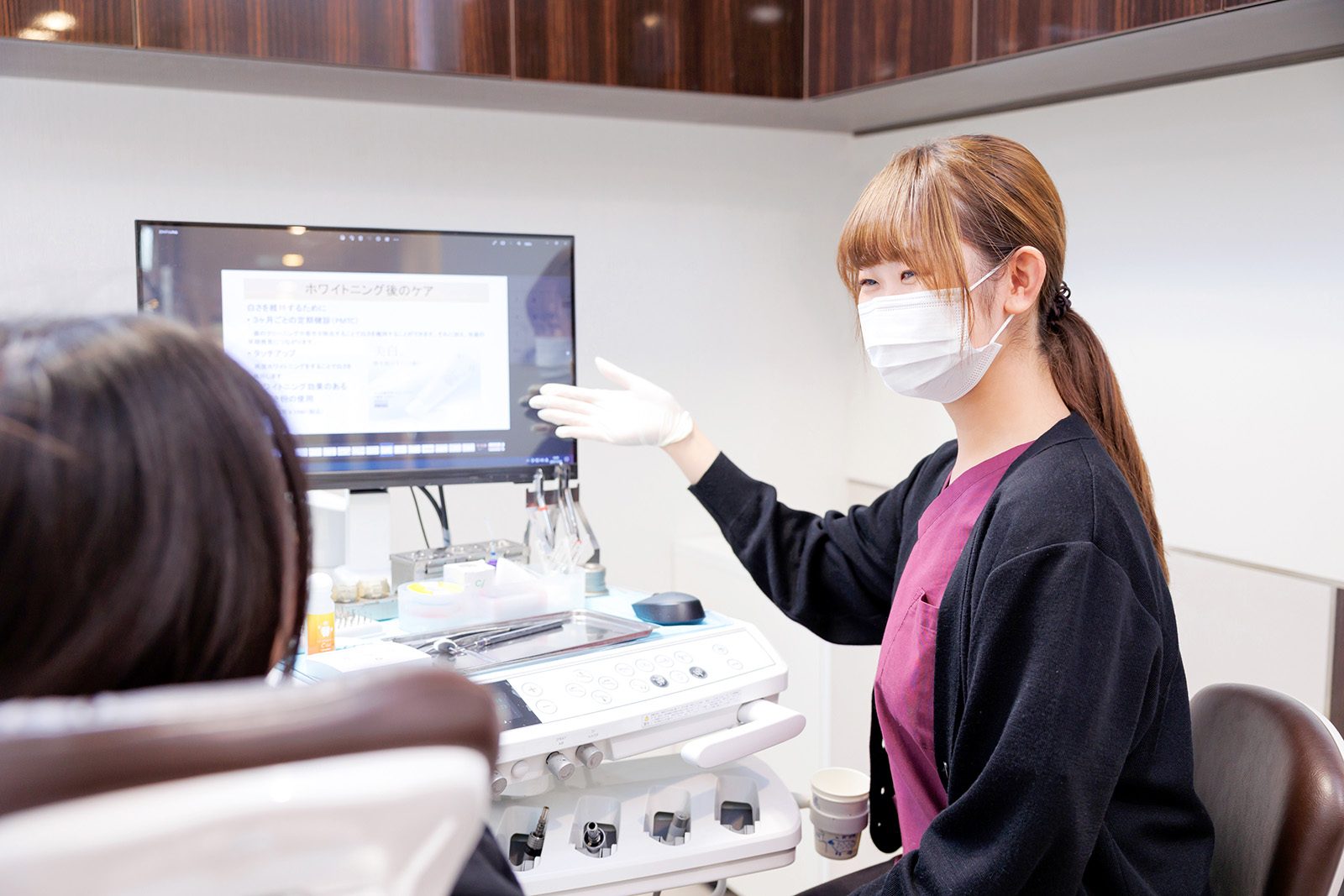
What matters most in choosing a toothbrush is that it suits you
No matter how good a toothbrush is, it cannot remove all the plaque if it does not suit the condition of your mouth and the way you brush. The right toothbrush differs from person to person depending on the condition of your gums, your alignment, the number of treated teeth and so on. Replace your toothbrush about once a month, or when the bristles start to splay.
Care products to use with your toothbrush
- Dental floss: for narrow gaps between teeth
- Interdental brushes: for wider gaps and areas where the gums have receded (choosing the right size is important)
- Single-tuft brush: a small brush with one tuft of bristles, for overlapping teeth and behind the very last back teeth
- Fluoride toothpaste: for cavity prevention, with a concentration and amount suited to your age
A toothbrush alone cannot remove all the plaque between teeth. Combining tools that suit your mouth makes your daily care more effective. At your checkup, we will advise on things such as interdental brush size based on your mouth.
Summary: if you are unsure, ask our dental hygienists
At our clinic, we suggest a toothbrush suited to each person while checking the condition of your mouth and your brushing habits. If you are not sure which one suits you, please feel free to ask a dental hygienist at your checkup.
ESCA Dental & Orthodontic Clinic is in the ESCA underground shopping mall, a 1-minute walk from the Shinkansen exit of JR Nagoya Station. Appointments by phone (+81-52-452-1255), online booking (Japanese) or LINE.
Frequently asked questions
Q. Can a soft toothbrush really remove plaque?
Yes, as long as the bristle tips reach the tooth surface and the line where the teeth meet the gums. The key is not to press too hard.
Q. Can my child use the CS Smart?
Its small head makes it easy to use when parents finish brushing their child's teeth. When children brush by themselves, please also consider a children's toothbrush suited to their age.
Q. How often should I replace a Curaprox toothbrush?
As with other toothbrushes, replace it about once a month, or when the bristles start to splay.
Related pages
Medical review
This article was reviewed by Katsuaki Takeuchi, DDS (Director; Board-certified oral surgeon, Japanese Society of Oral and Maxillofacial Surgeons), ESCA Dental & Orthodontic Clinic. It provides general information; please consult a dentist about your own condition.
Appointments and questions
Mon–Fri 10:00–13:00 / 14:30–19:30 · Sat & Sun 10:00–13:00 / 14:00–18:00 (open every other Sunday) · Closed on national holidays. Our staff mainly speak Japanese.