
What Is TMJ Disorder? Jaw Pain, Clicking and Trouble Opening
Published: 2025-11-18 · Updated: 2026-11-22 · Medically reviewed by Katsuaki Takeuchi, DDS (Director; Board-certified oral surgeon, Japanese Society of Oral and Maxillofacial Surgeons)
What you will learn
- Main symptoms of TMJ disorder (pain, clicking, difficulty opening the mouth)
- Five causes, including clenching, stress, bite and posture
- Treatment at a dental clinic, and self-care you can do yourself
Does your jaw hurt when you open your mouth, click when you eat, or not open wide? If these symptoms sound familiar, you may have temporomandibular joint (TMJ) disorder.
TMJ disorder is by no means rare; many people are said to experience it at some point. This article explains the causes and symptoms of TMJ disorder, treatment at a dental clinic, and self-care you can do yourself.
What is TMJ disorder?
The temporomandibular joint, in front of the ear, connects the lower jawbone to the skull. It moves when you open and close your mouth and when you chew. Inside the joint is the articular disc, which acts as a cushion between the bones, and around it are the muscles that move the jaw.
TMJ disorder is a condition in which problems in this joint or in the jaw muscles cause pain, clicking and difficulty opening the mouth. Everyday actions such as chewing and opening and closing the mouth may become difficult.
Main symptoms of TMJ disorder
- The jaw hurts when you open your mouth or chew
- Your jaw clicks or grinds when you open or close your mouth
- It is hard to open your mouth, or you cannot fit 2-3 fingers vertically between your teeth
- Your jaw feels tired or fatigues easily
- Headaches, stiff shoulders, a stiff neck, ear pain or ringing in the ears
Symptoms may also appear a little away from the jaw, such as headaches, stiff shoulders or pain around the ears. If your jaw only clicks, without pain or difficulty opening, immediate treatment is often not needed, but if pain appears or it becomes hard to open your mouth, please consult us early.
Main causes of TMJ disorder
TMJ disorder is thought to occur not from a single cause but from several causes overlapping.
1. Clenching and grinding
Clenching during the day and grinding during sleep put heavy strain on the jaw joint and muscles, tiring them out. Normally, the upper and lower teeth are slightly apart when you are relaxed. If you notice your teeth touching while working on a computer, for example, be careful.
2. Stress
Under stress, you may clench more without realizing it, and the muscles around the jaw tend to tense up.
3. Bite and tooth alignment
If your bite becomes unbalanced because of a habit of chewing on one side, crooked teeth or wisdom teeth, it can strain the jaw joint.
4. Overuse of the jaw and injury
Habits that involve opening the mouth wide, such as big yawns or singing loudly, and habits of often chewing hard foods such as dried squid or gum strain the jaw. A strong blow to the jaw from an accident or sport can also be a cause.
5. Poor posture
A hunched back, a forward head posture when looking at a smartphone, resting your chin on your hand, and sleeping face down can shift the position of the jaw and increase strain on the joint and muscles.
Treatment of TMJ disorder
Treatment depends on the symptoms and cause, but the basic approach is to start with methods that place little burden on the body.
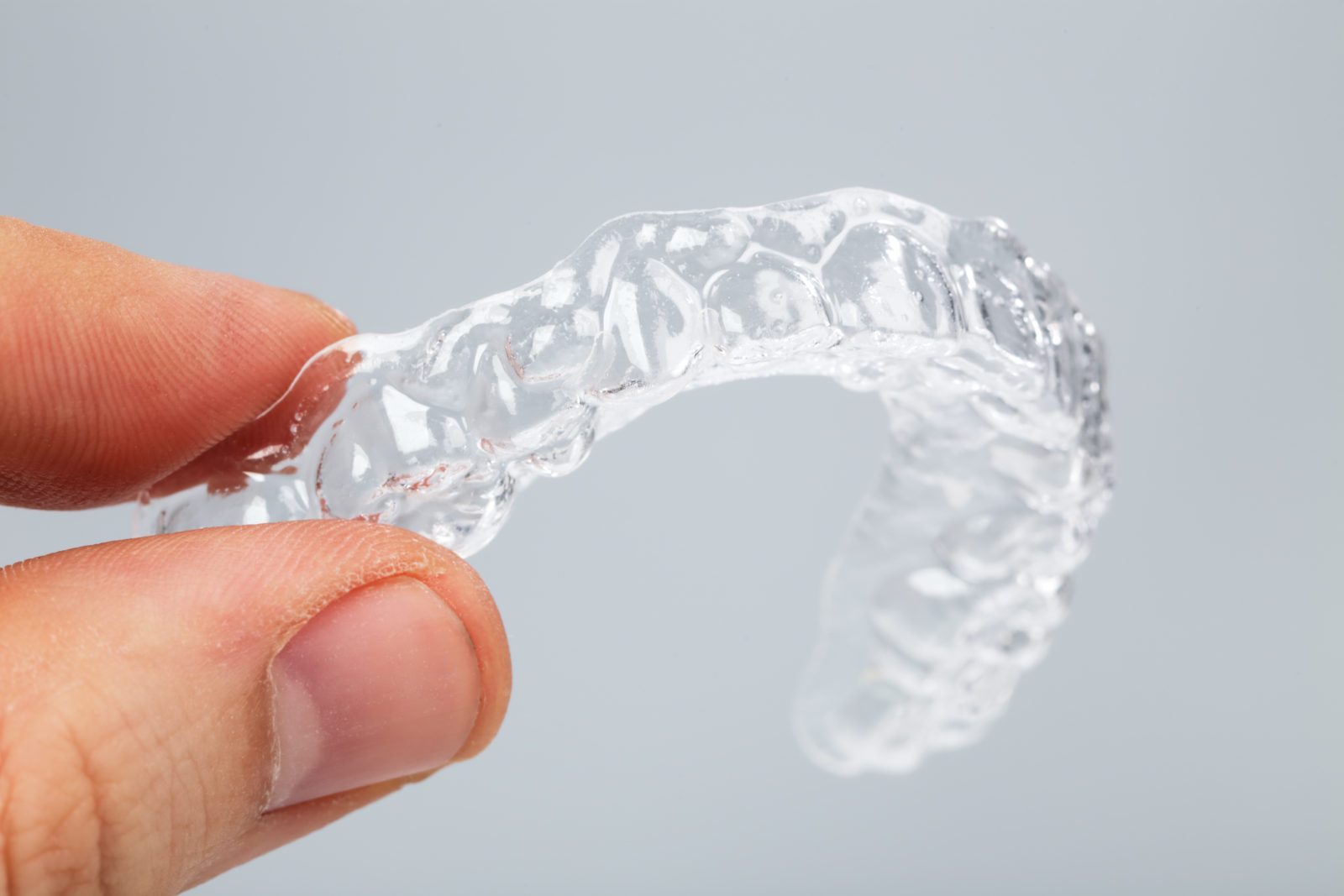
- Splint therapy: wearing a mouthguard at night protects the joint and muscles from grinding and clenching forces
- Medication: painkillers or medicines that relax muscle tension
- Physical therapy: we show you how to massage the muscles around the jaw and exercises to improve joint movement
- Bite adjustment and orthodontic treatment: considered when the bite or tooth alignment is thought to be the cause
The length of treatment differs from person to person. Mild cases often settle within a few weeks to a few months, while others take longer. If symptoms are severe and do not improve with other treatments, surgery or other options may be considered at a specialized oral surgery institution. When the bite or tooth alignment is thought to be the cause, aligning the teeth with orthodontic treatment is expected to ease the load on the jaw.
Self-care you can do yourself
During the day, check from time to time whether your upper and lower teeth are touching, and if they are, separate them and relax your jaw. Go easy on hard foods and gum, and chew evenly on both sides. When you yawn, supporting your jaw with your hand so you do not open too wide is also a good idea.
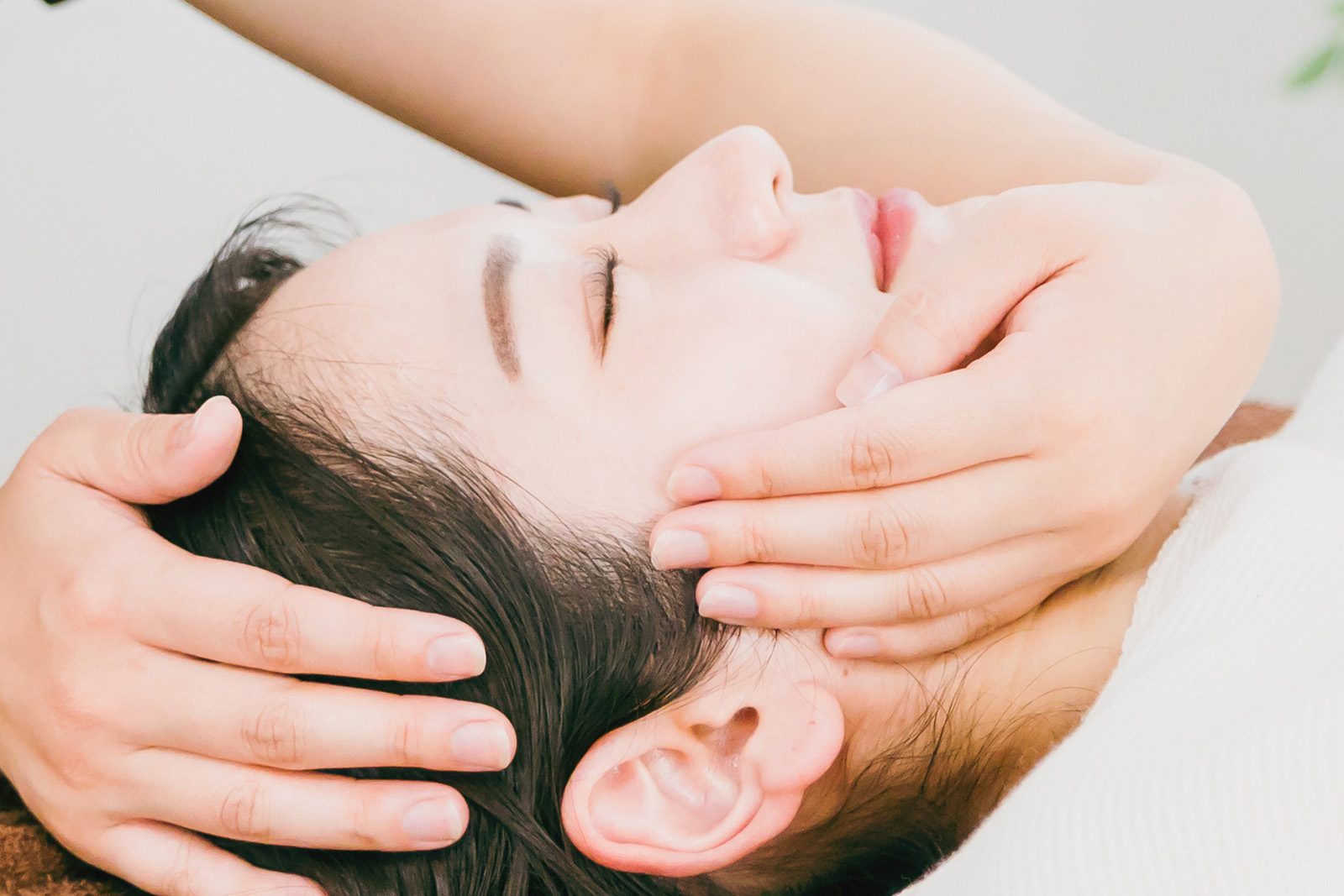
When the area around your jaw feels stiff, gently massaging the cheek and temple muscles or warming them with a hot towel may help. However, avoid forcing your jaw to move when the pain is strong. Reviewing your posture, avoiding stress build-up and getting enough rest are also important.
Summary
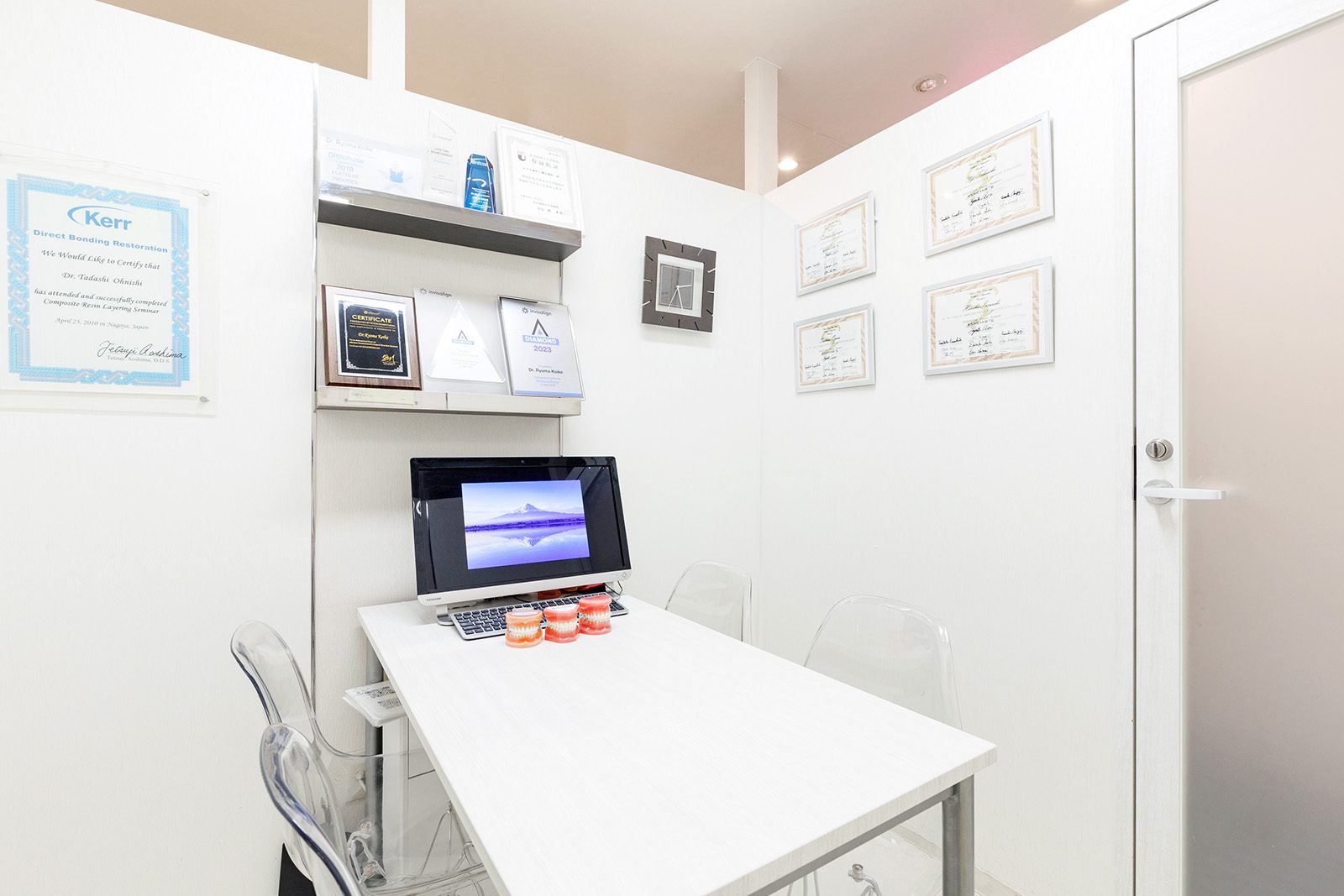
TMJ disorder occurs when several causes overlap, such as clenching, stress, bite and posture. If jaw pain, clicking or difficulty opening your mouth concerns you, it is important to be examined early and receive treatment suited to the cause. At ESCA Dental & Orthodontic Clinic, we offer mouthguard treatment, bite checks and orthodontic consultations. If you are concerned about jaw pain or your bite, please feel free to consult us.
ESCA Dental & Orthodontic Clinic is in the ESCA underground shopping mall, a 1-minute walk from the Shinkansen exit of JR Nagoya Station. Appointments by phone (+81-52-452-1255), online booking (Japanese) or LINE.
Main risks and side effects
- If a mouthguard (splint) does not fit, your teeth or gums may hurt or your bite may feel unusual, and adjustment or remaking may be needed
- Bite adjustment and orthodontic treatment can cause sensitivity, pain or discomfort from reshaping or moving teeth; orthodontics can also cause shorter tooth roots, receding gums and teeth shifting back
Orthodontic treatment is self-paid (not covered by insurance). Fees vary depending on the appliance and treatment period, so we explain them after a detailed examination (see our fee list for standard fees).
Frequently asked questions
Q. My jaw only clicks and does not hurt. Do I need treatment?
If it only clicks, without pain or difficulty opening your mouth, immediate treatment is often not needed. However, if pain appears or it becomes hard to open your mouth, please consult us early.
Q. Does TMJ disorder go away on its own?
Mild cases may settle when you change daily habits. If symptoms continue or keep coming back, we recommend treatment suited to the cause.
Q. Which department should I see for TMJ disorder?
First, please consult a dental clinic or oral surgery department. We check your bite and any grinding, and refer you to a specialized institution if needed.
Related pages
Medical review
This article was reviewed by Katsuaki Takeuchi, DDS (Director; Board-certified oral surgeon, Japanese Society of Oral and Maxillofacial Surgeons), ESCA Dental & Orthodontic Clinic. It provides general information; please consult a dentist about your own condition.
Appointments and questions
Mon–Fri 10:00–13:00 / 14:30–19:30 · Sat & Sun 10:00–13:00 / 14:00–18:00 (open every other Sunday) · Closed on national holidays. Our staff mainly speak Japanese.