
What Are Invisalign Attachments? Role, Visibility and If One Comes Off
Published: 2022-02-13 · Updated: 2026-11-22 · Medically reviewed by Katsuaki Takeuchi, DDS (Director; Board-certified oral surgeon, Japanese Society of Oral and Maxillofacial Surgeons)
What you will learn
- What attachments do and why they are needed
- Material, visibility, and differences in shape and number
- What to do if one comes off, and how to remove aligners easily
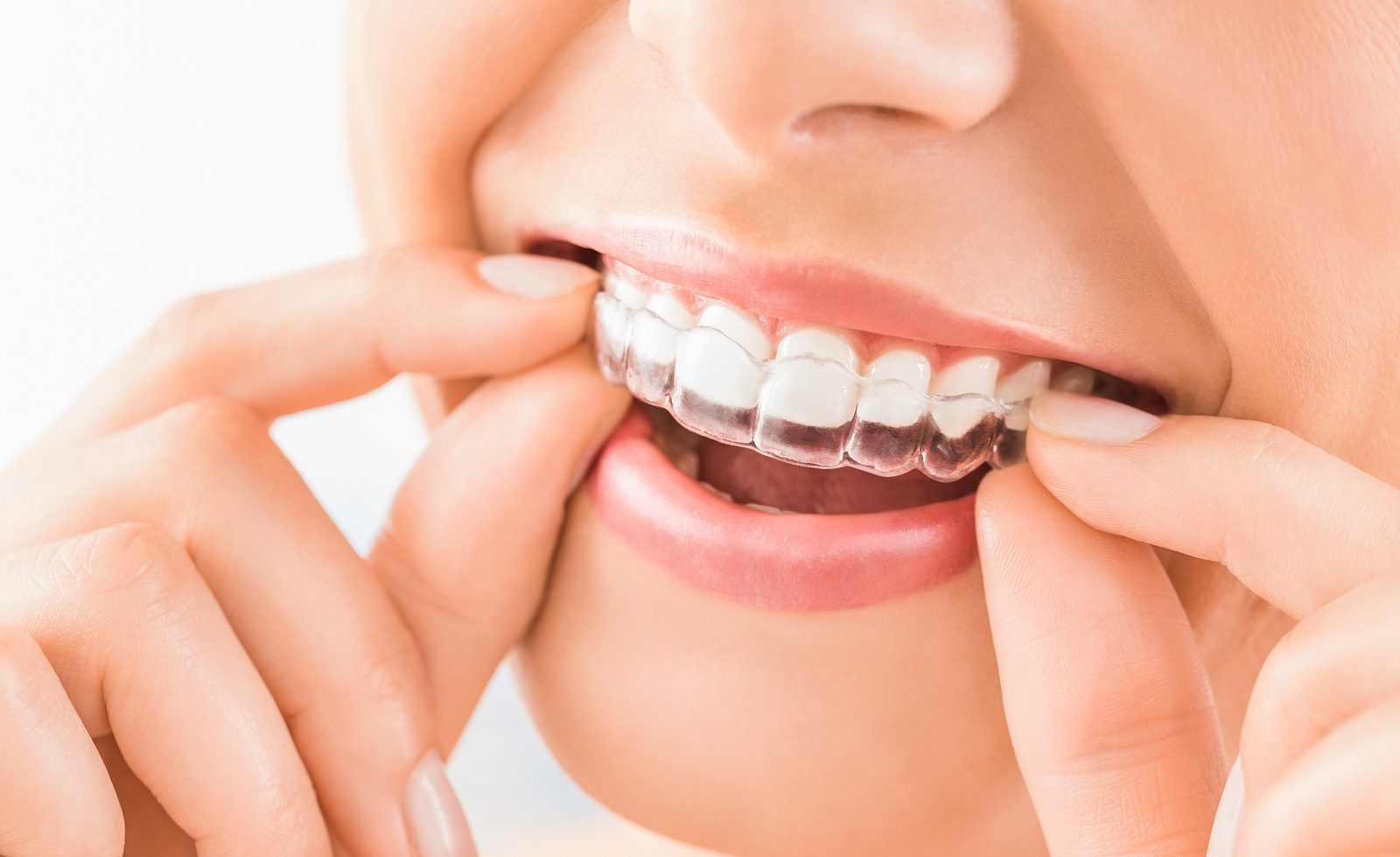
People often think Invisalign treatment is just a matter of wearing aligners, but in fact several procedures are carried out during treatment. One of the most important is "attachments".
Many people wonder, "Is something stuck on my teeth?", "Will it be noticeable?" and "What if it comes off?" In this article we explain Invisalign attachments in detail.
Invisalign aligners are medical devices that have not been approved under Japan's Pharmaceutical and Medical Device Act. Our clinic obtains the devices from Align Technology, Inc. (USA) under the responsibility of our dentists. Some aligner-type orthodontic devices have been approved in Japan. Invisalign is cleared by the U.S. FDA and used in many countries. Because it is an unapproved device, serious side effects are not covered by Japan's relief system for adverse drug reactions.
What are attachments?
Attachments are small bumps bonded to the surface of the teeth. The inside of the aligner has matching hollows, so when you put it in, it grips the attachments firmly.
On the smooth surface of a tooth alone, an aligner tends to slip so the force escapes, or to lift away. Attachments act like "handles" that keep the aligner in close contact with the teeth, making it easier to deliver fine forces such as pushing, rotating, tilting and pulling teeth out in the intended direction. Without attachments, some teeth are hard to move.
Material and visibility
Attachments are made of composite resin, a tooth-colored plastic material also used to fill cavities. The shade is chosen to match your teeth, so they are hardly noticeable unless someone looks closely. With the aligners in, they are even less noticeable.
When they are first placed, your tongue or lips may feel them and they may feel strange, but most people get used to them within a few days. Placing attachments does not involve drilling the teeth; they are simply bonded to the surface. When orthodontic treatment is finished, they are removed cleanly with special instruments and the tooth surface is polished smooth.

Shape, number and position differ from person to person
The shape of attachments (rectangular, oval, long and narrow, and so on), their size, and the number and position of teeth they are placed on differ for each person, depending on which teeth need to move and how. Some people have almost none on their front teeth, while others have several, even on their back teeth.
You can see the position of attachments in the simulation (ClinCheck) before treatment starts. We explain on screen which attachments go on which teeth, together with how the teeth will move. If the plan is redone partway through treatment (additional aligners), the number and shape of attachments may change.
If an attachment comes off
Because attachments are only bonded to the tooth surface, they may come off when you bite something hard or eat something sticky. A missing attachment does not cause a serious problem straight away, but if it stays off for a long time, the aligner grips less well and the teeth may not move as planned.
If you notice one has come off, please contact the clinic soon rather than waiting for your next appointment. We will check your mouth and bond it again. You can throw away an attachment that has come off, taking care not to swallow it. To help keep them on, it is important to be careful when eating hard or sticky foods such as nuts, ice and caramels.
How to remove your aligners easily
With attachments, aligners grip the teeth firmly, so at first they may feel hard to remove. Pulling forcefully from the front teeth can crack or deform the aligner.
The basic rule is to remove them starting from the back teeth. Hook a fingertip inside the edge of the aligner near the very back tooth, lift it a little at a time, then work around to the other side and finally the front teeth. For people who find it hard to get a grip with their fingers, there are special tools for removing aligners, so please ask us. We can also share tips with people who have long nails or nail art.
Summary
Attachments are small but important parts that transfer the aligner's force to the teeth so they move as planned. They are made of a tooth-colored material, so they are hard to notice, and they are removed when treatment is finished. If one comes off, please contact us soon, and remember to remove your aligners starting from the back teeth. If anything concerns you during treatment, please ask our staff at any time.
ESCA Dental & Orthodontic Clinic is in the ESCA underground shopping mall, a 1-minute walk from the Shinkansen exit of JR Nagoya Station. Appointments by phone (+81-52-452-1255), online booking (Japanese) or LINE.
Main risks and side effects
- During orthodontic treatment, you may feel pain or discomfort as the teeth move
- If brushing is not thorough, the risk of cavities and gum disease increases
- The tooth roots may become shorter (root resorption) or the gums may recede. After treatment, teeth may move back if the retainer is not used
- If an attachment stays off, the teeth may not move as planned. After removal, a small amount of material may remain on the tooth surface, which is polished smooth
Orthodontic treatment is self-paid (not covered by insurance). The cost depends on the appliance and treatment period, so we explain it after a detailed examination (see our fee table for standard fees).
Frequently asked questions
Q. Does everyone get attachments?
Most people do, but their shape, number and position depend on how the teeth need to move. Some people have hardly any. You can check this in the simulation before treatment.
Q. Are my teeth drilled when attachments are placed?
No. They are simply bonded to the tooth surface. When treatment is finished, they are removed with special instruments and the surface is polished smooth.
Q. Do attachments get stained?
If you often have strongly colored food and drinks, the area around them may stain slightly. Try to brush after meals and avoid strongly colored drinks while wearing your aligners.
Medical review
This article was reviewed by Katsuaki Takeuchi, DDS (Director; Board-certified oral surgeon, Japanese Society of Oral and Maxillofacial Surgeons), ESCA Dental & Orthodontic Clinic. It provides general information; please consult a dentist about your own condition.
Appointments and questions
Mon–Fri 10:00–13:00 / 14:30–19:30 · Sat & Sun 10:00–13:00 / 14:00–18:00 (open every other Sunday) · Closed on national holidays. Our staff mainly speak Japanese.