
What Are Invisalign Refinements (Additional Aligners)?
Published: 2022-02-16 · Updated: 2026-11-22 · Medically reviewed by Katsuaki Takeuchi, DDS (Director; Board-certified oral surgeon, Japanese Society of Oral and Maxillofacial Surgeons)
What you will learn
- What refinements (additional aligners) are and why they are needed
- How gaps are checked, and the process of making additional aligners
- How many are typical, and what you can do to keep gaps small
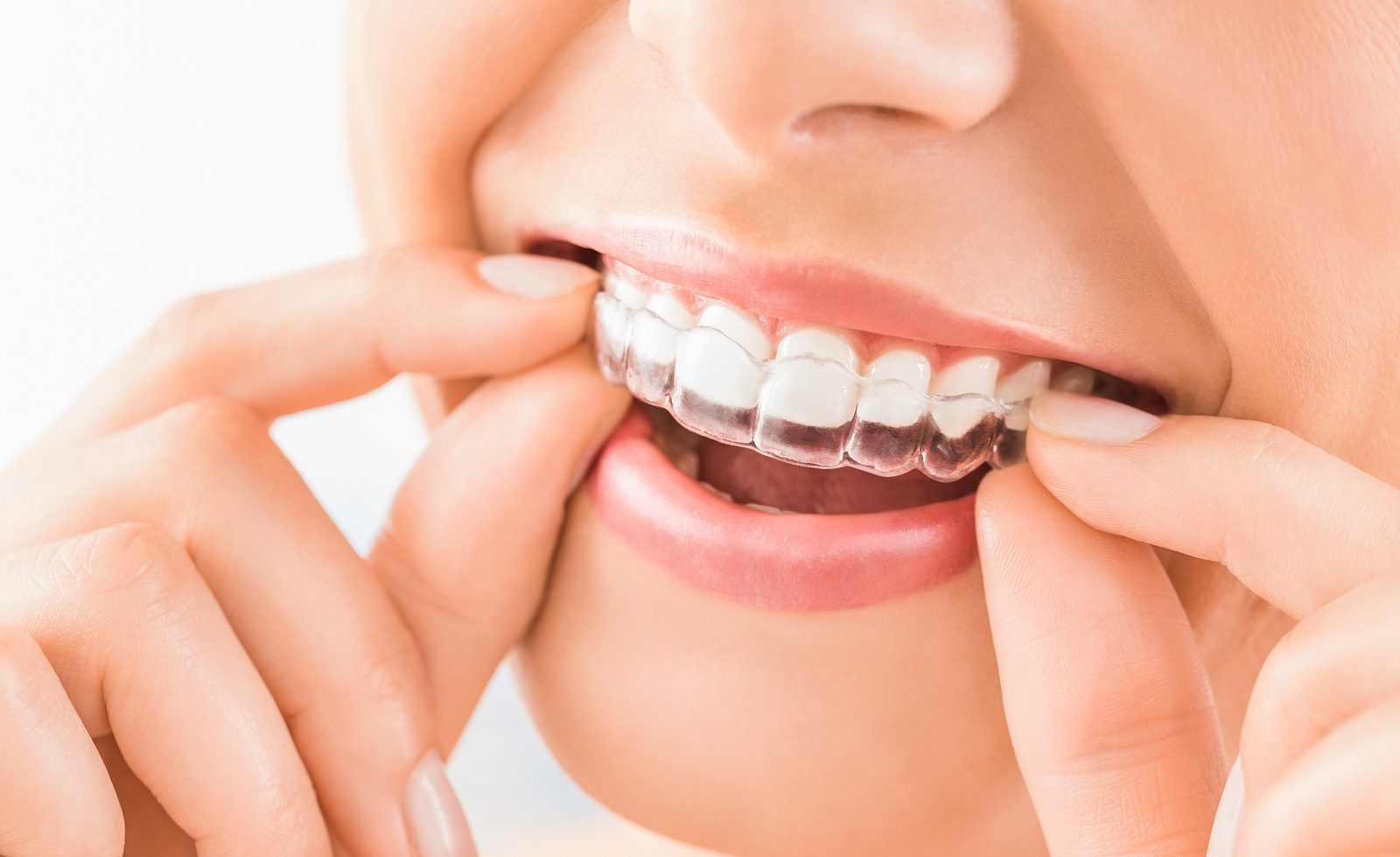
In Invisalign treatment, before starting, we scan your mouth, plan how the teeth will move to reach the goal, and make aligners to match that plan. However, teeth move differently in each person, and not every tooth will move exactly as planned.
So partway through treatment, we check for gaps between the plan and the actual position of the teeth, and when needed we make new aligners in a process called "refinement" (additional aligners). In this article we explain what refinement means, the process, how many are typical, and tips for keeping gaps small.
Invisalign aligners are medical devices that have not been approved under Japan's Pharmaceutical and Medical Device Act. Our clinic obtains the devices from Align Technology, Inc. (USA) under the responsibility of our dentists. Some aligner-type orthodontic devices have been approved in Japan. Invisalign is cleared by the U.S. FDA and used in many countries. Because it is an unapproved device, serious side effects are not covered by Japan's relief system for adverse drug reactions.
What is a refinement?
"Refinement" means finishing or improving precision. In Invisalign, it refers to the process of scanning again any teeth that have not moved fully as planned, making a new plan, and producing additional aligners for it.
As you use the aligners planned at the start in order, one tooth may lag a little behind, or the aligner may start to lift away from the teeth. This can happen even if you wear them properly every day. Please think of refinement not as a "failure" but as a normal part of treatment to bring you closer to the target alignment and bite.
How are gaps checked?
With Invisalign, many aligners are made at once when the first plan is created. You might think, "Why not just collect them all and come back after using them to the end?" But if a gap appears partway and you carry on regardless, the bite may end up less precise than planned.
That is why at our clinic we ask you to come in about once every 2 to 3 months, and we compare your mouth with the simulation to check for gaps. Even if things look as planned, we may find gaps such as the upper and lower teeth not meeting properly, or a tooth not tilted enough.

What happens when a gap is found
If the gap is small, we may cut away part of the aligner at the clinic, bond a small button to the tooth, and ask you to wear elastics (intermaxillary elastics) yourself so the tooth catches up with the plan.
If the gap is large, or elastics alone cannot close it, we scan your mouth again, make a new plan from the current alignment, and produce additional aligners. In the new plan, the number and shape of attachments may change, and the procedure of slightly reducing the enamel between teeth to create space (IPR) may increase. The dentist decides which method to use after checking your mouth, and explains it to you.
How many are needed, and how long does it take?
The number of refinements varies greatly depending on the alignment and how the teeth move. At our clinic, many people have about 2 to 3, but some need none at all and others need more than 3.
Using additional aligners increases the number of aligners planned, so treatment may take longer. At our clinic, the estimated treatment period we give at the orthodontic consultation includes time for refinements. The cost of additional aligners depends on the terms of your orthodontic contract, so please check at your consultation.
What you can do to keep gaps small
The most important thing for keeping gaps from the plan small is to wear your aligners for about 20 to 22 hours a day. Make it a habit to put them back in right after meals and brushing.
It is also important, when you switch to a new aligner, to seat it firmly on the teeth by pressing with your fingers or biting on a special tool (a chewie). If an attachment comes off, an aligner cracks, or you notice it lifting, please contact us rather than waiting for your next appointment. If we can deal with gaps while they are small, the number of additional aligners can sometimes be reduced.
Summary
Refinement (additional aligners) is an important process for correcting gaps between the plan and the actual tooth movement and bringing you closer to the target alignment and bite. The number varies from person to person, but keeping to the wearing time and coming in regularly for checks can be expected to keep gaps small. If anything concerns you during treatment, please ask our staff at any time.
ESCA Dental & Orthodontic Clinic is in the ESCA underground shopping mall, a 1-minute walk from the Shinkansen exit of JR Nagoya Station. Appointments by phone (+81-52-452-1255), online booking (Japanese) or LINE.
Main risks and side effects
- During orthodontic treatment, you may feel pain or discomfort as the teeth move
- If brushing is not thorough, the risk of cavities and gum disease increases
- The tooth roots may become shorter (root resorption) or the gums may recede. After treatment, teeth may move back if the retainer is not used
- Gaps may appear between the plan and the actual tooth movement, making additional aligners necessary and extending the treatment period
Orthodontic treatment is self-paid (not covered by insurance). The cost depends on the appliance and treatment period, so we explain it after a detailed examination (see our fee table for standard fees).
Frequently asked questions
Q. Do I need a refinement because I did not wear the aligners properly?
No. Even if you wear them properly every day, teeth move differently in each person, so gaps can occur. It is a normal part of treatment to bring you closer to the goal.
Q. How long does it take to get additional aligners?
We scan again, make a new plan and check it before ordering, so it usually takes a few weeks for them to arrive. In the meantime, you will usually keep using your current aligner.
Q. Is there a charge for additional aligners?
It depends on the terms of your orthodontic contract. At our clinic we explain this in detail at the orthodontic consultation and when signing the contract, so please ask if you have any questions.
Related pages
Medical review
This article was reviewed by Katsuaki Takeuchi, DDS (Director; Board-certified oral surgeon, Japanese Society of Oral and Maxillofacial Surgeons), ESCA Dental & Orthodontic Clinic. It provides general information; please consult a dentist about your own condition.
Appointments and questions
Mon–Fri 10:00–13:00 / 14:30–19:30 · Sat & Sun 10:00–13:00 / 14:00–18:00 (open every other Sunday) · Closed on national holidays. Our staff mainly speak Japanese.