
Why Take Out Dentures at Night? Reasons and Daily Denture Care
Published: 2025-01-16 · Updated: 2026-11-22 · Medically reviewed by Katsuaki Takeuchi, DDS (Director; Board-certified oral surgeon, Japanese Society of Oral and Maxillofacial Surgeons)
What you will learn
- Five reasons to take out dentures at night
- How to clean dentures every day and store them correctly
- Cases where you may be told to wear them at night, and the importance of regular adjustments
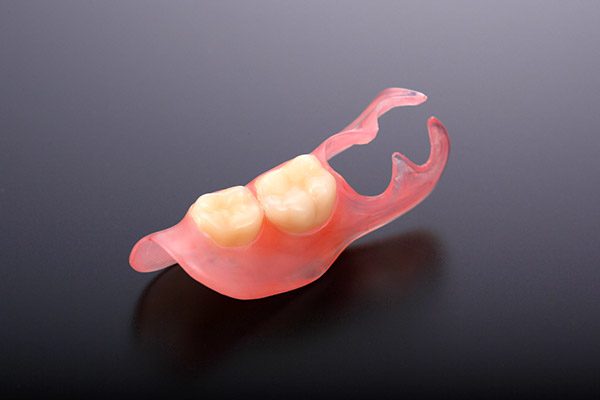
Have you ever wondered why dentures need to be taken out at night? As a rule, it is recommended to wear dentures while you are awake, take them out before bed, clean them, and then keep them in water or a cleaning solution.
This keeps the dentures and the mouth clean and protects the health of the remaining teeth, gums and the lining of the mouth. In this article, we explain why dentures should be taken out at night and how to care for them every day.
Five reasons to take out dentures at night
1. Dentures pick up debris easily
Just like natural teeth, the surface of dentures collects food debris and plaque (masses of bacteria). The debris on dentures is called denture plaque, and if it is left on, it causes odor and discoloration and makes bacteria in the mouth multiply.
2. The mouth dries during sleep and bacteria multiply easily
During sleep, the amount of saliva decreases and the mouth dries easily. Saliva washes the mouth and keeps bacteria from multiplying. If you sleep with dentures in, saliva has trouble reaching the area between the dentures and the gums, creating conditions in which bacteria multiply easily. This can also cause decay and gum disease in the remaining teeth, as well as bad breath.
3. Letting the gums rest
The gums under the dentures are pressed by them all day long. Taking the dentures out at night improves blood flow to the gums and lets them rest. If dentures are left in, a type of fungus (candida) can multiply on the gums under them and cause inflammation, resulting in mouth ulcers or "denture stomatitis," in which the gums become red and sore.
4. Preventing swallowing during sleep
Small partial dentures in particular can come loose and be swallowed during sleep. If they enter the airway or get stuck in the esophagus, it is very dangerous. Taking them out at night prevents accidents like this.
5. Helping prevent aspiration pneumonia
If you sleep with dirty dentures in, saliva containing bacteria can more easily enter the airway during sleep. In older people, this is said to be a possible cause of aspiration pneumonia. Taking dentures out and keeping them clean also helps protect your general health.
Daily denture care
Ideally, take out and clean your dentures after every meal, but if that is difficult because of work or other reasons, at least rinse them with water. And at night, be sure to clean them carefully.
- Scrub off debris with a denture brush under running water
- Be especially careful with the inside of the clasps (metal hooks) and the surface that touches the gums
- Do not use toothpaste, because its abrasives can scratch dentures
- After cleaning, soak them in water with a denture cleanser
- Do not use hot water, because it can deform dentures
When cleaning, it is safer to do it over a basin filled with water so that the dentures do not break if dropped. Denture cleansers help reduce bacteria that a brush cannot fully remove, as well as odor, but soaking in a cleanser alone does not remove all the debris. Brush the dentures first, then soak them in the cleanser.
Also, after taking out your dentures, brush your remaining teeth carefully, and gently clean your gums and tongue with a soft toothbrush or similar.
How to store dentures after taking them out
Dentures can crack or change shape if they dry out. After taking them out, do not wrap them in tissue; store them in a dedicated container filled with water or cleaning solution. Dentures wrapped in tissue may be mistaken for rubbish and thrown away.
In some cases, you may be told to wear them at night
As a rule, dentures are taken out at night, but depending on the condition of the remaining teeth and the bite, a dentist may tell you to keep them in at night. Examples include when there are few remaining teeth and, without dentures, the upper and lower gums or remaining teeth would hit each other hard, or when it is to protect the jaw joints. Even then, take the dentures out once, clean them and put them back in clean. Which is better depends on the condition of your mouth, so please follow your dentist's instructions.

Summary
Taking dentures out at night helps keep the dentures and mouth clean, lets the gums rest, and helps prevent swallowing accidents and pneumonia. In addition to daily care, the fit between dentures and gums changes with use, so it is also important to have them adjusted regularly at a dental clinic. If your dentures do not fit, hurt or come loose easily, or if anything else concerns you, please feel free to consult us.
ESCA Dental & Orthodontic Clinic is in the ESCA underground shopping mall, a 1-minute walk from the Shinkansen exit of JR Nagoya Station. Appointments by phone (+81-52-452-1255), online booking (Japanese) or LINE.
Main risks and side effects
- New or ill-fitting dentures can rub against the gums and cause pain or sores, and may need to be adjusted
- The teeth that hold the clasps may come under strain, and if care is not thorough, tooth decay, gum disease or denture stomatitis may occur
Frequently asked questions
Q. Is it all right to clean dentures with water only?
Just rinsing under running water does not fully remove the slimy debris (denture plaque). Scrub them with a denture brush and then use a cleanser.
Q. Can I clean my dentures with toothpaste?
Many toothpastes contain abrasives that can leave fine scratches on the surface of dentures, making debris stick more easily. Clean them with a denture brush and cleanser.
Q. My jaw hurts when I sleep without my dentures.
Depending on the condition of your mouth, it may be better to keep them in at night. Please do not decide on your own; consult us.
Related pages
Medical review
This article was reviewed by Katsuaki Takeuchi, DDS (Director; Board-certified oral surgeon, Japanese Society of Oral and Maxillofacial Surgeons), ESCA Dental & Orthodontic Clinic. It provides general information; please consult a dentist about your own condition.
Appointments and questions
Mon–Fri 10:00–13:00 / 14:30–19:30 · Sat & Sun 10:00–13:00 / 14:00–18:00 (open every other Sunday) · Closed on national holidays. Our staff mainly speak Japanese.