
Common Problems During Orthodontic Treatment and What to Do
Published: 2025-02-25 · Updated: 2026-11-22 · Medically reviewed by Katsuaki Takeuchi, DDS (Director; Board-certified oral surgeon, Japanese Society of Oral and Maxillofacial Surgeons)
What you will learn
- When tooth pain occurs during orthodontics, and ways to ease it
- What to do about mouth sores, poking wires and loose brackets
- Things to watch during treatment, such as cavities and gum recession

When orthodontic treatment begins, new symptoms may appear, such as pain as the teeth move or discomfort from the appliance rubbing. Most are temporary and settle as you get used to them, but knowing about them in advance helps you deal with them calmly.
In this article, we explain common symptoms and problems during orthodontics, what you can do yourself, and when you should contact the dental clinic.
Common symptoms during orthodontics
Tooth pain and a floating feeling
A few hours after the appliance is fitted, a pressing pain or a feeling that the teeth are floating begins. It is usually strongest after 2 to 3 days and often settles within about a week. Similar pain may occur after a wire adjustment or after switching to a new aligner. People with more crowded teeth tend to feel more pain.
While the pain is strong, meals that need little chewing, such as rice porridge, udon noodles and soup, are easier. You may use over-the-counter pain relievers if needed.
Mouth sores and scrapes on the cheeks and lips
Sores or ulcers may form when the appliance rubs the inside of the cheeks or lips, or when a changing bite makes you bite the lining of your mouth. In that case, take a piece of orthodontic wax slightly larger than a grain of rice, soften it with your fingers and press it onto the part of the appliance that is rubbing to reduce irritation. It sticks better if you dry the appliance first. Remove it when eating and replace it several times a day. Keeping your mouth clean also helps sores heal faster.
Difficulty speaking and more saliva
Right after the appliance is fitted, some sounds such as s and t may feel harder to say, and saliva may increase. In most cases you get used to it in 1 to 2 weeks. Making an effort to speak, for example by reading aloud, helps you adjust faster.
Appliance problems and what to do
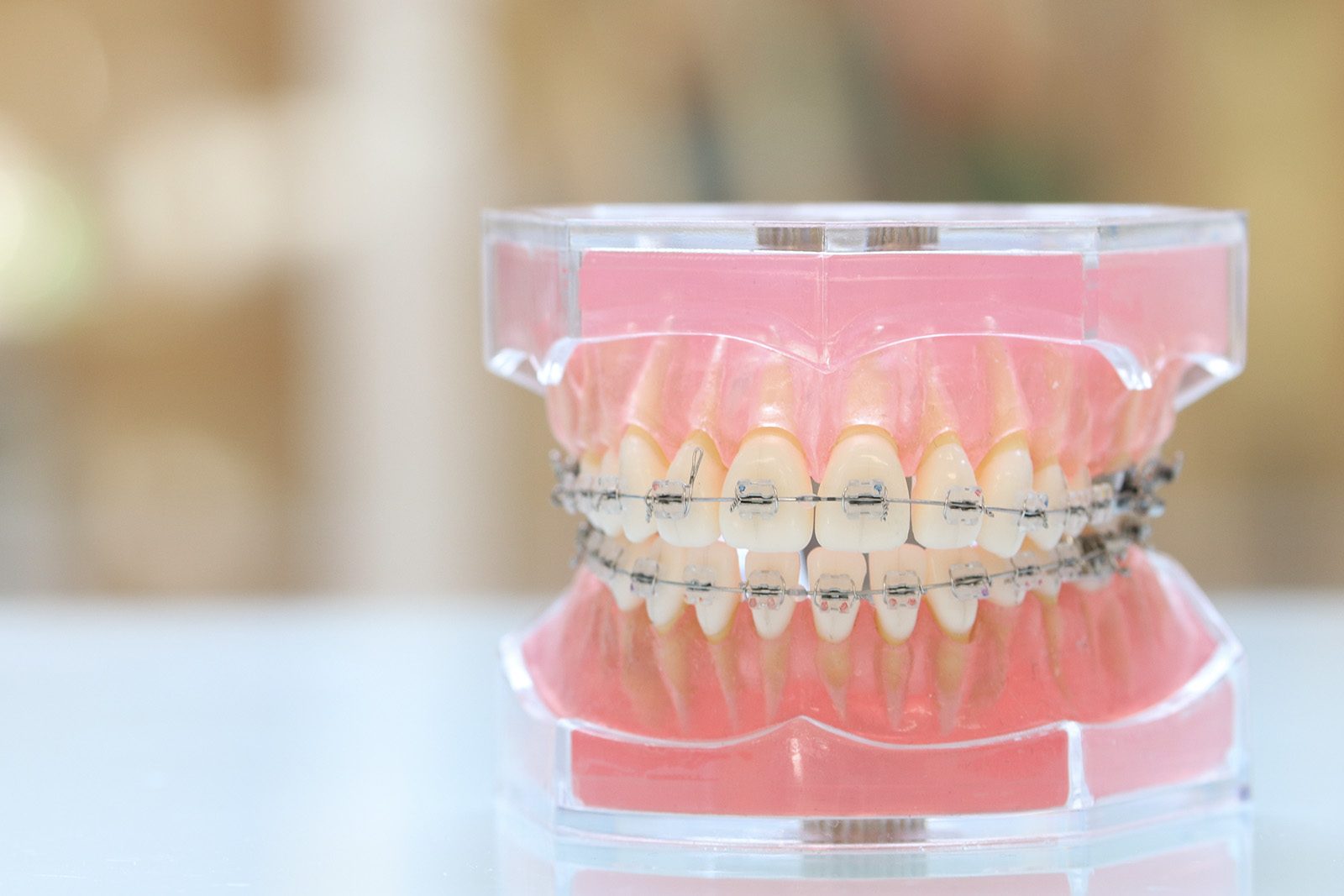
As gaps between teeth close, the end of the wire at the back may stick out and poke the cheek. Eating hard or sticky foods can also cause a bracket to come off or the wire to bend. In these cases, use wax to ease the irritation temporarily and contact us soon. Please do not cut or bend the wire yourself. If an aligner cracks or is lost, don't leave it; please consult us.
Things to watch during treatment
Plaque builds up easily around appliances, and areas missed when brushing are more prone to cavities, white chalky spots on the tooth surface (demineralization) and gum inflammation. Brush carefully using a single-tuft brush and interdental brushes. If you are worried about brushing, our dental hygienists regularly clean your teeth and check how you brush, so please feel free to ask.
Other things that can happen include slight shortening of the tooth roots (root resorption) and jaw discomfort from temporary changes in the bite. If you have a metal allergy, appliances without metal may be available, so please tell us before starting.
After orthodontic treatment ends, teeth try to return to their original position, so the period of wearing a retainer is important. Careful examination and planning before treatment also help reduce these problems.
Summary
Most pain and mouth sores during orthodontics are temporary and can be eased with wax and changes to your meals. However, if pain lasts more than a week, a wire is poking you painfully, or an appliance has come off, don't put up with it; please contact us. Consulting us early about symptoms that concern you helps treatment go smoothly. Treatment can take years, and you may feel discouraged along the way, but let's move forward together, checking the movement of your teeth at each visit.
ESCA Dental & Orthodontic Clinic is in the ESCA underground shopping mall, a 1-minute walk from the Shinkansen exit of JR Nagoya Station. Appointments by phone (+81-52-452-1255), online booking (Japanese) or LINE.
Main risks and side effects
- During orthodontic treatment, you may feel pain or discomfort as teeth move
- If brushing is insufficient, the risk of cavities and gum disease increases
- Tooth roots may shorten (root resorption) or gums may recede. After treatment, teeth may move back if a retainer is not used
- The appliance may rub the lining of the mouth and cause sores or scrapes
Orthodontic treatment is self-paid (not covered by insurance). Costs vary with the appliance and treatment length, so we explain them after the detailed examination (see our fee table for standard costs).
Frequently asked questions
Q. Does orthodontic pain last the whole time?
It is usually strongest for 2 to 3 days right after the appliance is fitted or adjusted, and often settles within about a week. If it lasts longer, please consult us.
Q. If a bracket comes off, should I come in right away?
If it doesn't hurt, it often does not need to be urgent, but leaving it can affect tooth movement. Please call us first.
Q. Where can I get orthodontic wax?
We give it to you when the appliance is fitted. If you run out, please ask at reception.
Related pages
Medical review
This article was reviewed by Katsuaki Takeuchi, DDS (Director; Board-certified oral surgeon, Japanese Society of Oral and Maxillofacial Surgeons), ESCA Dental & Orthodontic Clinic. It provides general information; please consult a dentist about your own condition.
Appointments and questions
Mon–Fri 10:00–13:00 / 14:30–19:30 · Sat & Sun 10:00–13:00 / 14:00–18:00 (open every other Sunday) · Closed on national holidays. Our staff mainly speak Japanese.