
How to Choose a Toothbrush: Bristle Firmness, Head Size, Tips
Published: 2026-01-28 · Updated: 2026-11-22 · Medically reviewed by Katsuaki Takeuchi, DDS (Director; Board-certified oral surgeon, Japanese Society of Oral and Maxillofacial Surgeons)
What you will learn
- How to choose bristle firmness, head size and bristle tip shape
- Choosing for your teeth alignment and gum condition
- When to replace it, and how to store it hygienically
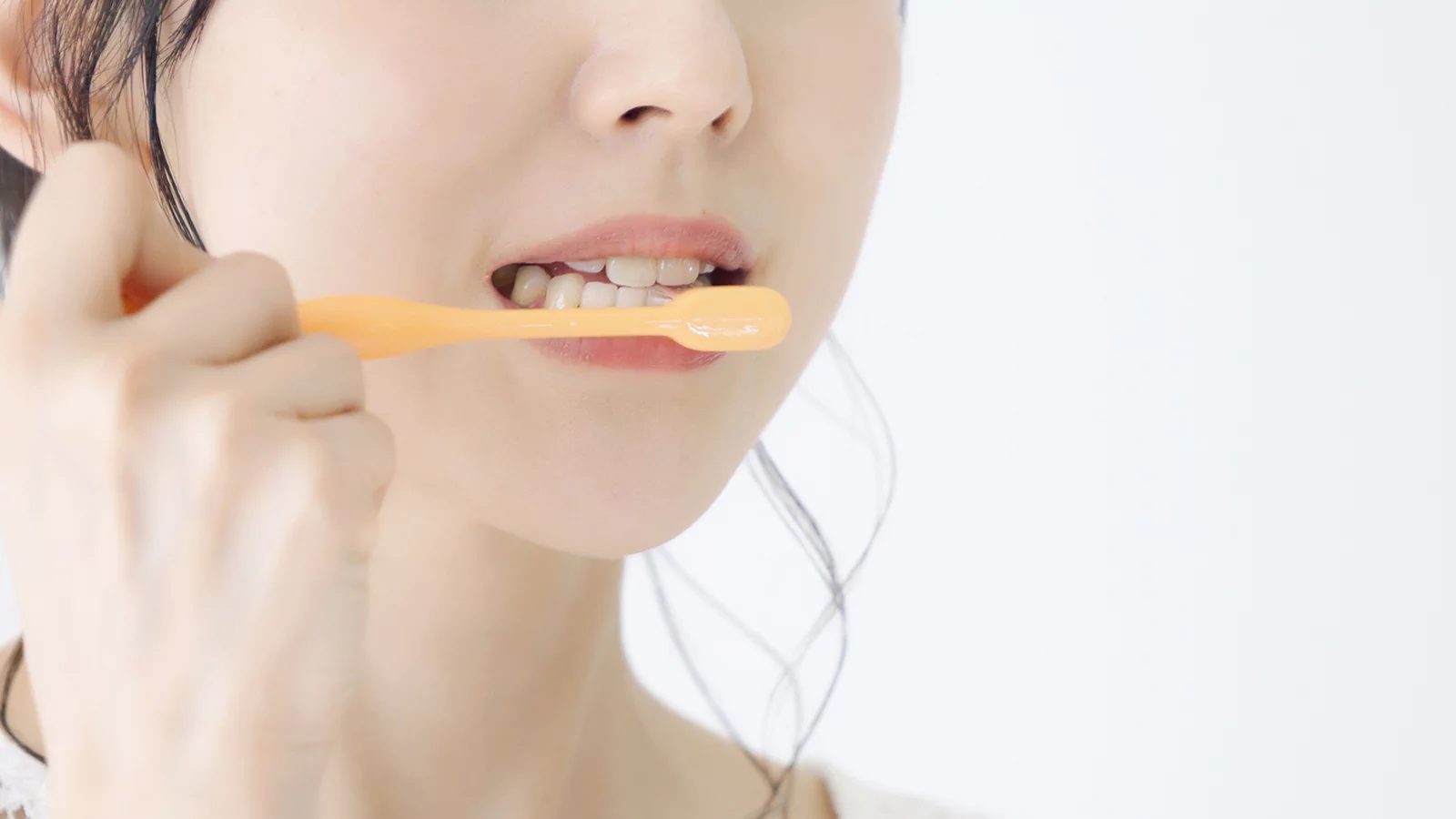
Are you using a toothbrush that suits you? If your toothbrush is not right for you, debris may not be removed well even if you brush for a long time. It can also damage your teeth and gums.
In this article, we introduce points to keep in mind when choosing a toothbrush.
1. Choose the bristle firmness
- Soft: less likely to damage the gums or tooth surface. For people with swollen gums, tooth sensitivity, or who are being treated for gum disease
- Medium: a good balance between removing debris and being gentle. Suits most people
- Hard: removes debris easily but can easily damage teeth and gums. Not suitable for people who tend to brush hard
As a basic rule, choose soft or medium. Scrubbing hard with a hard toothbrush can wear down the base of the teeth or make the gums recede, which can cause tooth sensitivity.
2. Choose the head (brush part) size
We recommend a small head. A guide is about the width of two upper front teeth. A small head reaches the very back of the back teeth and places where teeth overlap more easily, and is easier to move in small strokes. A large head brushes a wide area at once, but tends to leave areas unbrushed in tight spots.
3. Choose the bristle tip shape
- Tapered bristles: the tips are thin, so they get into the border between teeth and gums and between teeth easily
- Round-end bristles (tips processed to be rounded): less likely to damage the gums, and good at removing debris from the tooth surface
Choose according to your purpose: for example, tapered bristles if you are concerned about gum disease, and round-end bristles if you are focused on decay prevention or your gums have receded. There are various bristle arrangements (flat, wavy and so on), but a flat one makes it easier to learn the basics of placing the brush. For the handle, we recommend a straight one that you can hold lightly like a pen, so you do not brush too hard.
Choosing for your teeth alignment and oral condition
- Overlapping teeth: a small-head toothbrush plus a single-tuft brush
- Wisdom teeth: a small-head toothbrush or a single-tuft brush to reach the back
- Orthodontic appliances: an orthodontic toothbrush that cleans around the appliance easily, plus a single-tuft brush
- Bridges or implants: interdental brushes or Superfloss in addition to a toothbrush
It is hard to clean everything with a toothbrush alone, so it is important to combine it with tools such as floss, interdental brushes and single-tuft brushes.
When to replace it
Replace your toothbrush about once a month. With daily use, the bristles usually start to splay after about a month. With splayed bristles, debris is hard to remove even when the brush touches the teeth, so debris stays behind no matter how hard you try. If your bristles splay sooner than a month, it may be a sign that you are brushing too hard. Look at the toothbrush from behind, and replace it if the bristles stick out.
How to store it hygienically
After use, rinse it well under running water down to the base of the bristles, shake off the water, and let it dry in a well-ventilated place with the brush facing up. Putting a cap on it or leaving it in a case while wet lets bacteria grow more easily. It is also important to stand family members' toothbrushes so they do not touch each other.
Summary
It is important to choose your toothbrush's bristle firmness, head size and bristle tip shape to match your mouth. If you are not sure which to choose, please feel free to ask at your regular checkup. We will look at your mouth and suggest a toothbrush and care products that suit you.
ESCA Dental & Orthodontic Clinic is in the ESCA underground shopping mall, a 1-minute walk from the Shinkansen exit of JR Nagoya Station. Appointments by phone (+81-52-452-1255), online booking (Japanese) or LINE.
Main risks and side effects
- Brushing hard with a hard toothbrush can wear down the base of the teeth or make the gums recede, which can cause tooth sensitivity
- Around orthodontic appliances and bridges, the way you place the brush can damage the appliance, so check how to use it before you start
Frequently asked questions
Q. Which is better, an electric toothbrush or a manual one?
Both can clean well if used correctly. For the features of each, please see our article on electric and manual toothbrushes.
Q. How many months should I use a toothbrush before replacing it?
About once a month is a guide. If the bristles splay, replace it even before a month has passed.
Q. How should I choose a child's toothbrush?
Choose a children's toothbrush in a size suitable for their age. For finishing brushing by a parent, we recommend one with a small head that is easy for the parent to hold.
Related pages
Medical review
This article was reviewed by Katsuaki Takeuchi, DDS (Director; Board-certified oral surgeon, Japanese Society of Oral and Maxillofacial Surgeons), ESCA Dental & Orthodontic Clinic. It provides general information; please consult a dentist about your own condition.
Appointments and questions
Mon–Fri 10:00–13:00 / 14:30–19:30 · Sat & Sun 10:00–13:00 / 14:00–18:00 (open every other Sunday) · Closed on national holidays. Our staff mainly speak Japanese.