
How to Make Teeth Whitening Last: Aftercare Tips and Habits
Published: 2026-07-22 · Updated: 2026-11-22 · Medically reviewed by Katsuaki Takeuchi, DDS (Director; Board-certified oral surgeon, Japanese Society of Oral and Maxillofacial Surgeons)
What you will learn
- Why teeth stain easily right after whitening
- Drinks and foods to limit, and small ways to prevent stains
- Daily habits that keep teeth white, plus touch-ups and regular cleaning

Once your teeth are whiter after whitening, you naturally want to keep them that way as long as possible.
In hot weather especially, there are more chances to drink dark-colored drinks such as cold tea and iced coffee, which makes it easier for teeth to stain. In this article, we share tips for making the results of whitening last longer.
Teeth stain easily right after whitening
After whitening, the thin film that covers the tooth surface (the pellicle) is temporarily removed, so teeth take up pigments more easily. This film gradually returns with the help of saliva, so take particular care to avoid staining for a while after treatment (about 24 to 48 hours as a guide).
Drinks and foods to limit
- Coffee, black tea, green tea and oolong tea
- Dark-colored drinks such as red wine and cola
- Curry, tomato-based dishes such as meat sauce, soy sauce and other sauces
- Dark-colored foods such as blueberries and chocolate
- Tobacco
Apart from the period right after treatment, these are not foods you must never eat. Focusing on white foods (milk, white fish, chicken, rice, bread and so on) makes it easier to be careful.
Small ways to prevent stains
- After dark-colored food or drinks, drink water or rinse your mouth
- For drinks such as iced coffee, using a straw reduces contact with the front teeth
- Do not keep sipping all day; set times for drinking
- Brush your teeth as soon as you reasonably can (wait a little after acidic foods)
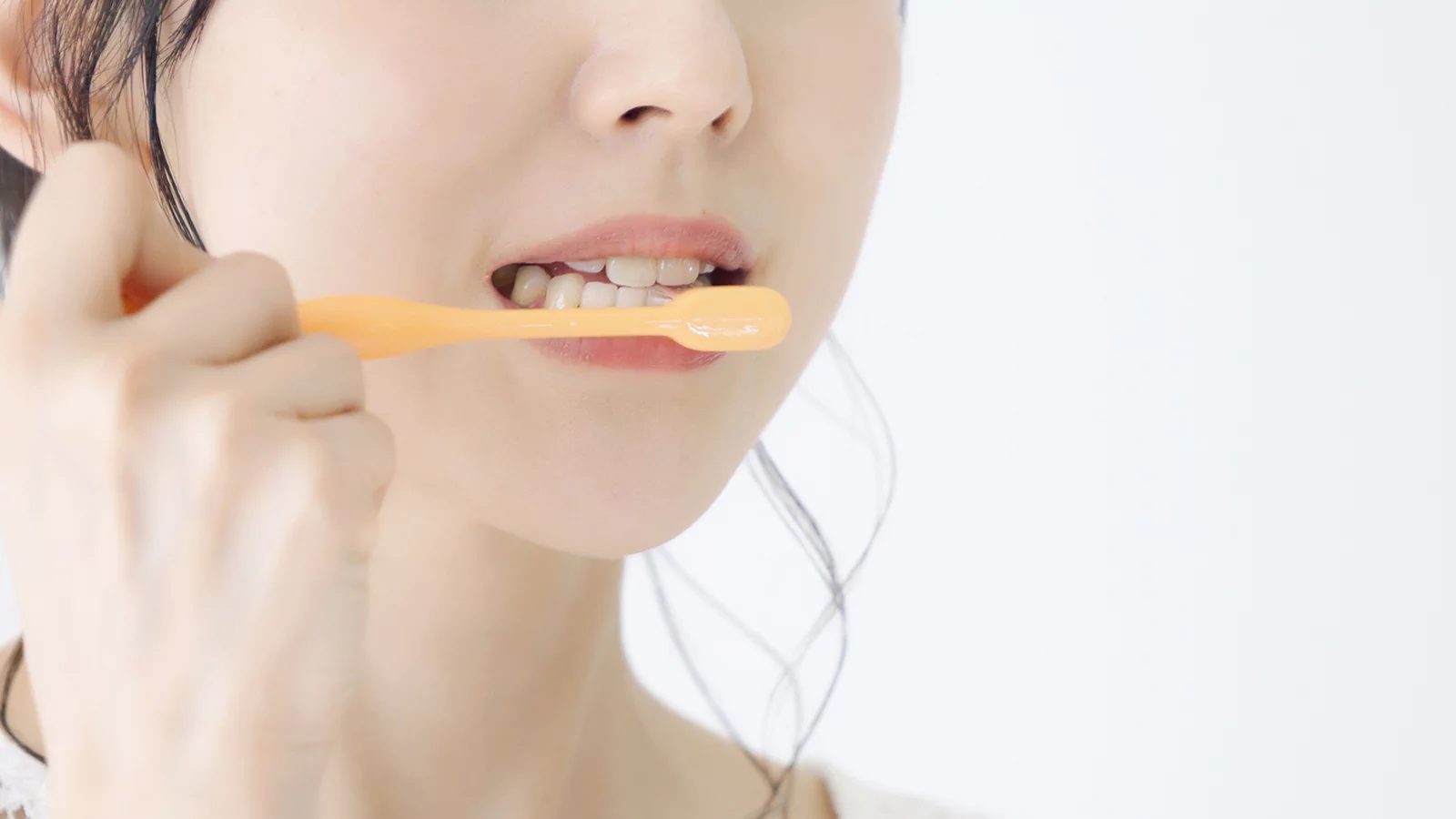
Daily brushing is the basis for keeping teeth white
- Brush gently and carefully with a soft toothbrush
- Clean between teeth with interdental brushes or floss
- If stains concern you, use a toothpaste recommended by your dental clinic
- Do not scrub too hard with highly abrasive toothpaste
Watch out for a dry mouth too
In seasons when you sweat a lot, your body tends to be short of water. A dry mouth makes it easier for debris and stains to stick, so drink water often. People who tend to breathe through their mouth also need to be careful, as saliva tends to decrease.
Touch-ups and regular cleaning
Even if you brush thoroughly every day, stains build up little by little. Regular professional cleaning at a dental clinic removes surface stains and makes it easier to keep teeth white.
Also, as the whiteness gradually fades over time, additional whitening (a touch-up) is an option. If you have a mouth tray for home whitening, you may be able to continue with just additional whitening gel.
How often to have touch-ups or cleaning depends on the condition of your teeth and your lifestyle. Please ask us at your maintenance visit.
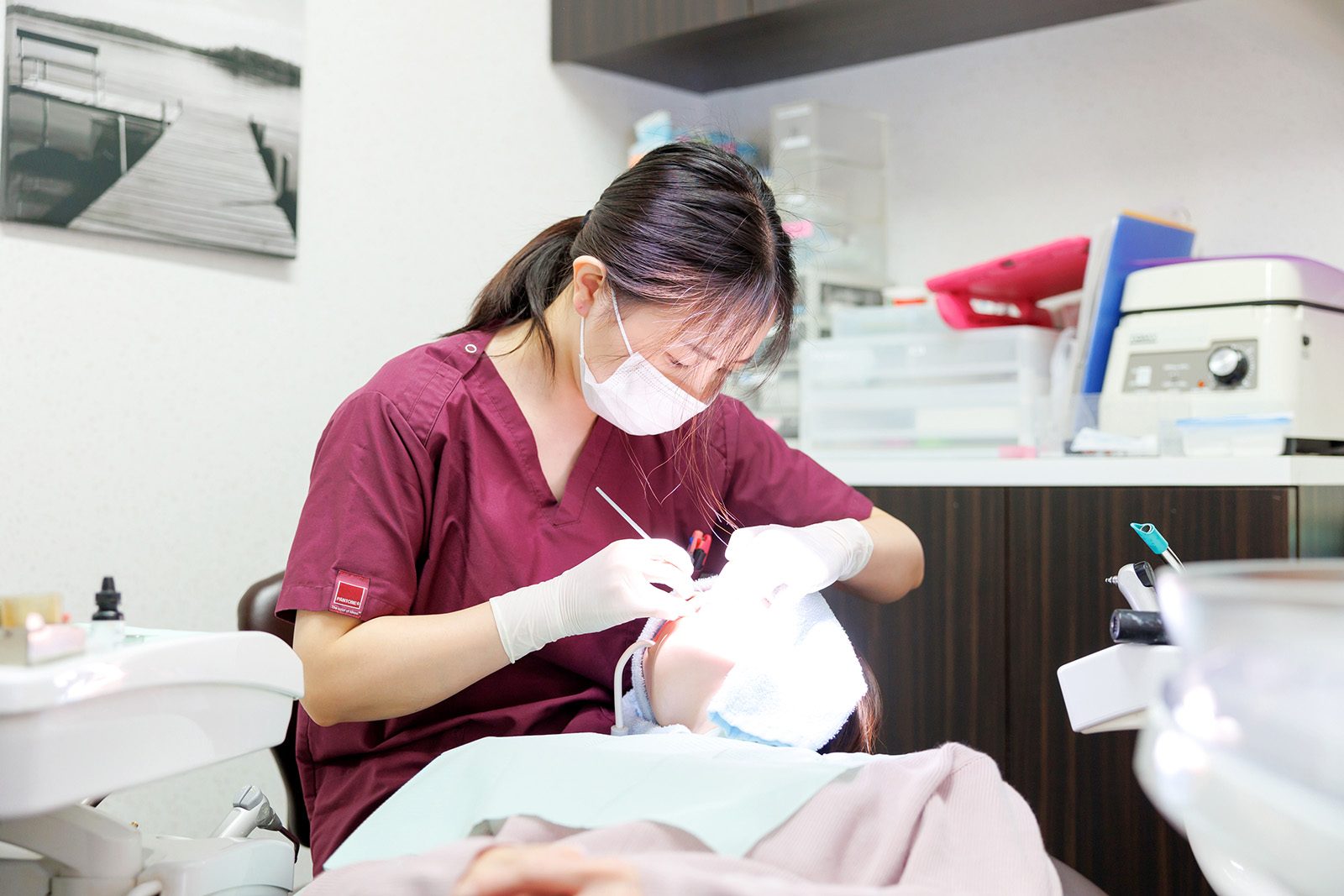
Home whitening vs. in-office whitening: how long the results last
In general, in-office whitening at a dental clinic tends to show results in a short time, while home whitening takes longer but its results are said to last longer. The two can also be combined.
Whichever method you choose, how you spend the time after treatment, daily care and regular maintenance are important for keeping teeth white. We will help you choose a method that suits your lifestyle at a consultation.
If you have crowns on your front teeth
Crowns and fillings do not get whiter with whitening, so when your natural teeth become whiter, the color difference may stand out. In that case, one option is to replace the crowns to match your tooth color once the whitening results have settled.
Summary: keep your teeth white with daily habits and regular care
To make whitening last, what matters is how you spend the time right after treatment, small steps to prevent stains, daily brushing, and regular cleaning. If you have any concerns, please feel free to ask our staff.
ESCA Dental & Orthodontic Clinic is in the ESCA underground shopping mall, a 1-minute walk from the Shinkansen exit of JR Nagoya Station. Appointments by phone (+81-52-452-1255), online booking (Japanese) or LINE.
Main risks and side effects
- After whitening, teeth may be temporarily sensitive (dentin hypersensitivity)
- Results and how long they last vary from person to person, and crowns and fillings do not become whiter
- Repeated touch-ups can make sensitivity more likely
Whitening and touch-ups are self-paid treatment (not covered by insurance). Please see our whitening page and fee table for standard fees.
Frequently asked questions
Q. I drank coffee right after whitening.
A single drink rarely brings the color back significantly, so there is no need to worry too much. Rinse your mouth with water when you notice, and avoid it for a while afterward.
Q. How long does the whiteness last?
It depends on your eating and drinking habits and the method used, but the color often returns gradually over several months to a year. Touch-ups and regular cleaning make it easier to keep teeth white.
Q. My teeth are sensitive after whitening.
This is usually temporary and in most cases settles within a few days. Toothpaste for sensitive teeth may help. If strong pain continues, please consult us.
Related pages
Medical review
This article was reviewed by Katsuaki Takeuchi, DDS (Director; Board-certified oral surgeon, Japanese Society of Oral and Maxillofacial Surgeons), ESCA Dental & Orthodontic Clinic. It provides general information; please consult a dentist about your own condition.
Appointments and questions
Mon–Fri 10:00–13:00 / 14:30–19:30 · Sat & Sun 10:00–13:00 / 14:00–18:00 (open every other Sunday) · Closed on national holidays. Our staff mainly speak Japanese.