
How to Choose Toothpaste: For Decay, Gums, Stains or Sensitivity
Published: 2026-08-21 · Updated: 2026-11-22 · Medically reviewed by Katsuaki Takeuchi, DDS (Director; Board-certified oral surgeon, Japanese Society of Oral and Maxillofacial Surgeons)
What you will learn
- How to choose toothpaste by goal (decay, gums, stains, sensitivity)
- What to look for on the ingredient label
- Basics that matter whichever toothpaste you use
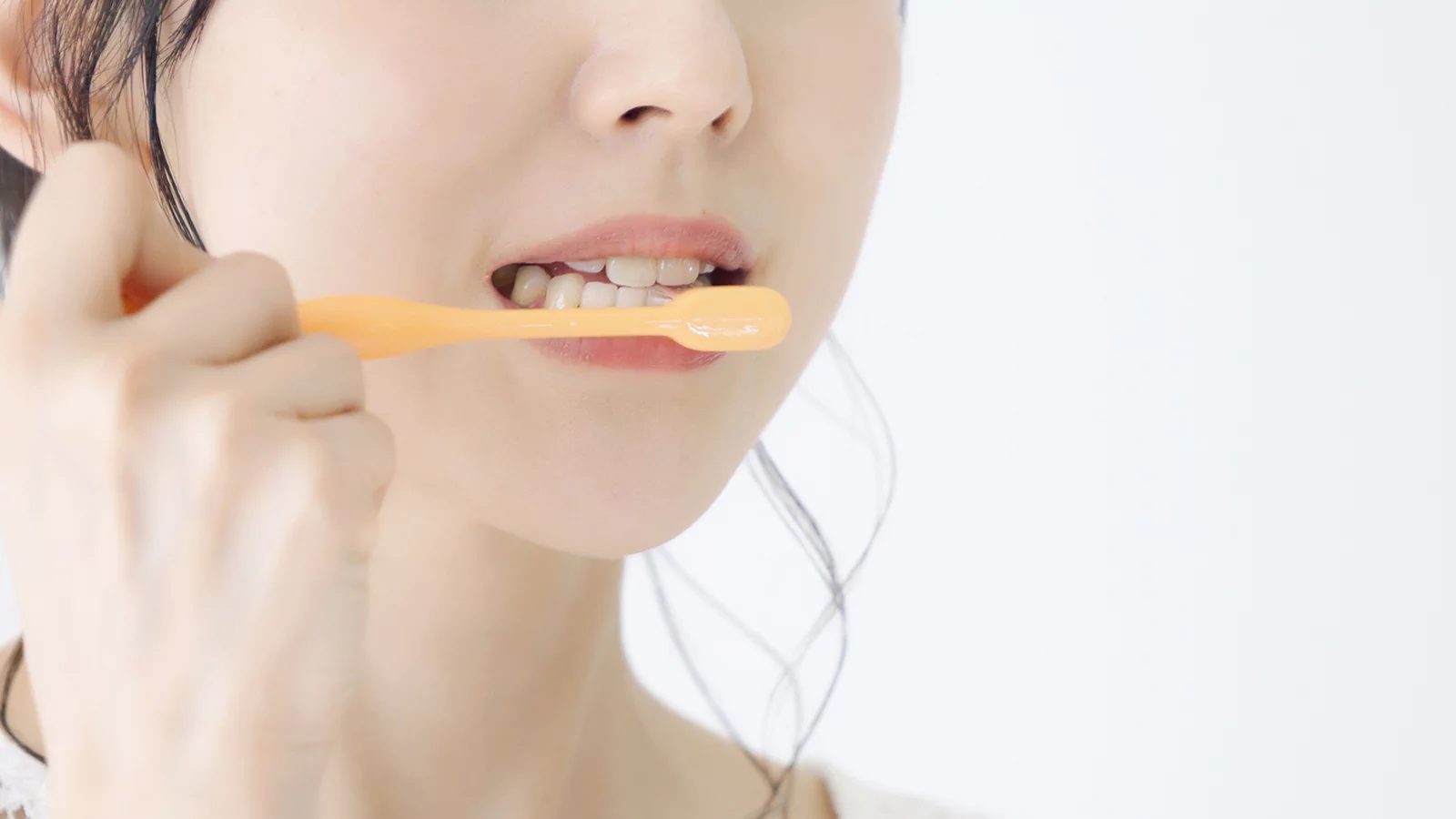
You use toothpaste every day, but with so many types available, many people are not sure which one to choose.
It is important to choose toothpaste according to the condition of your mouth and your goals. This article explains how to choose by goal and what to check on the ingredient label.
For decay prevention, check the fluoride concentration
If preventing tooth decay is your top priority, first check whether the toothpaste contains fluoride and at what concentration. Fluoride helps restore tooth surfaces that have started to dissolve (remineralization) and makes teeth more resistant to acid.
- Age 6 to adults: 1,400-1,500 ppm is recommended
- Age 5 and under: 1,000 ppm, in a small amount suited to their age
You can check the concentration on the ingredient list (for example "sodium fluoride" or "sodium monofluorophosphate") or on a label such as "1450 ppm".
For gum concerns, look for gum care ingredients
If you are concerned about swollen or bleeding gums, one option is a gum care toothpaste containing antibacterial or anti-inflammatory ingredients.
However, the basis of gum disease prevention is thoroughly removing plaque where the teeth meet the gums. Do not rely on toothpaste alone; focus on correct brushing. If bleeding or swelling continues, there may be tartar, so we recommend a checkup at a dental clinic.
For whiter-looking teeth, a stain-removing type
Whitening toothpastes are designed to remove stains on the tooth surface. They do not change the color of the tooth itself (changing the tooth color requires treatment with whitening agents at a dental clinic).
Scrubbing hard with a highly abrasive toothpaste can damage the tooth surface and gums. Brush gently.

For sensitive teeth, a sensitivity toothpaste
If your teeth hurt when you drink something cold or when you brush, there are toothpastes for sensitive teeth. They contain ingredients that make it harder for the stimulus to reach the nerve, and symptoms may ease with continued use.
However, sensitivity is not always the cause of tooth pain. It can also be caused by decay or a crack, so if symptoms continue, have your teeth checked at a dental clinic.
Other points to check on the ingredient label
- Abrasives: they help remove stains, but too much can scratch the tooth surface. If you brush hard, choose a milder one
- Foaming agents: lots of foam can make you feel you have brushed enough, so a low-foam type is also a good choice
- Flavor and scent: you use it every day, so choose a flavor you can keep using
If you are unsure: start with a toothpaste containing about 1,450 ppm fluoride with mild abrasives and low foam.
Three basics that matter whichever toothpaste you use
- Use the right amount of toothpaste (for adults, about the length of the brush head bristles)
- Brush gently for 2-3 minutes and reach every area
- After brushing, rinse once with a small amount of water
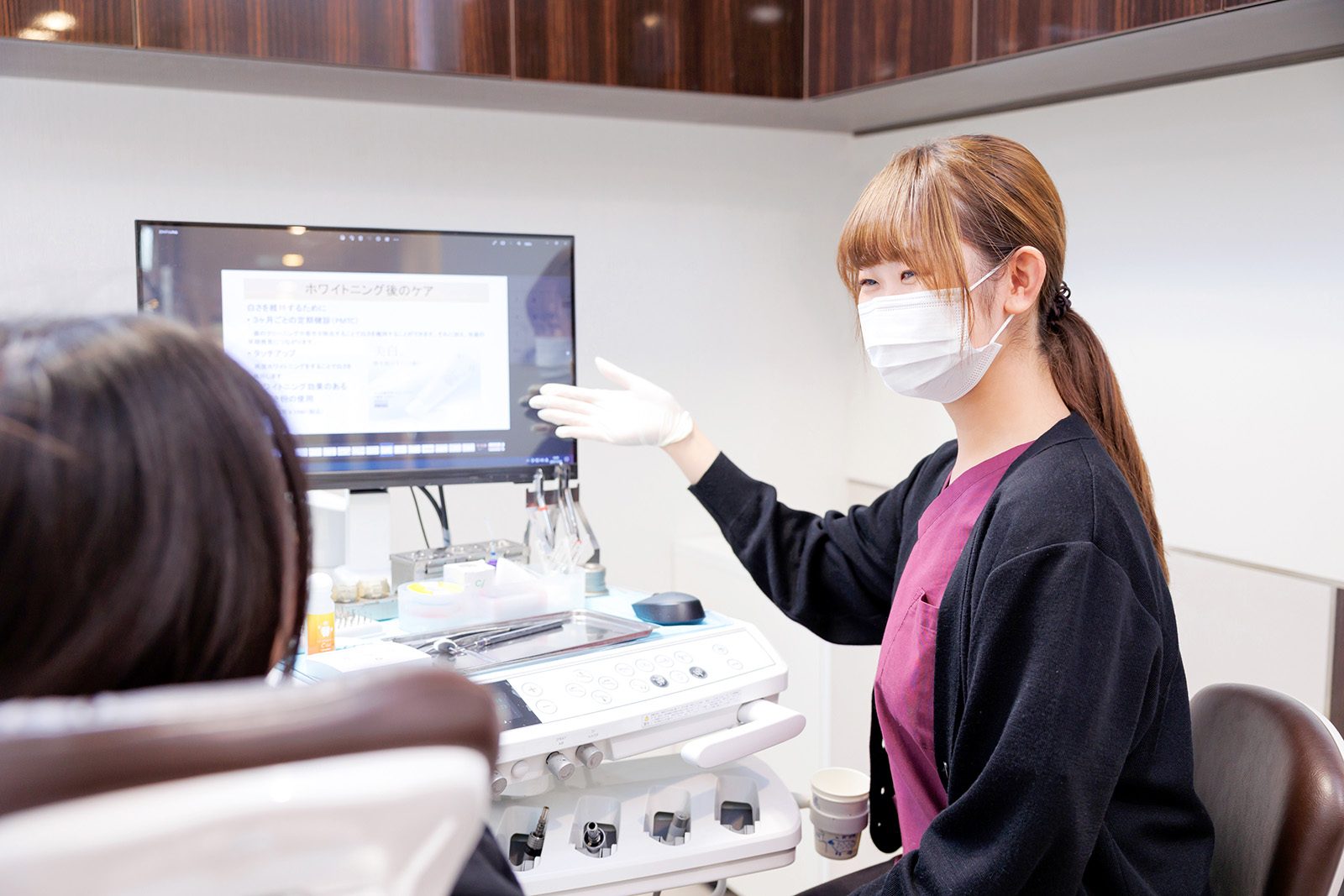
Review your choice as your life stage changes
The condition of your mouth changes with age and lifestyle. In childhood, fluoride for decay prevention matters most. In adulthood, gum care and stains become concerns, and with age, root decay and sensitivity. During pregnancy, morning sickness can make brushing difficult, so a toothpaste with a mild scent and flavor may be easier to use. Check from time to time whether your toothpaste suits your mouth now.
Summary: choose by your own goal, not by popularity
The key is to choose a toothpaste that matches your own oral concerns and goals, not just because it is popular. And whichever toothpaste you use, the basis is brushing correctly to remove plaque. If you are not sure what suits you, please ask us at your checkup.
ESCA Dental & Orthodontic Clinic is in the ESCA underground shopping mall, a 1-minute walk from the Shinkansen exit of JR Nagoya Station. Appointments by phone (+81-52-452-1255), online booking (Japanese) or LINE.
Main risks and side effects
- Whitening at a dental clinic can temporarily cause tooth sensitivity or gum irritation, and results vary from person to person
- Scrubbing hard with a highly abrasive toothpaste can wear down the tooth surface or cause the gums to recede
Whitening at a dental clinic is self-paid (not covered by insurance). Please see our fee list for standard fees.
Frequently asked questions
Q. Is it all right not to use toothpaste?
Plaque is removed by brushing, so you can clean your teeth without toothpaste. However, fluoride toothpaste increases the decay-prevention effect, so we recommend using it.
Q. Can my child use adult toothpaste?
From age 6, children can use the same concentration as adults (1,400-1,500 ppm). Children aged 5 and under should use a 1,000 ppm toothpaste in a small amount suited to their age.
Q. How long does a sensitivity toothpaste take to work?
With continued use, symptoms may ease within a few days to a few weeks. If you feel no effect, or the sensitivity gets worse, there may be another cause, so please consult a dental clinic.
Medical review
This article was reviewed by Katsuaki Takeuchi, DDS (Director; Board-certified oral surgeon, Japanese Society of Oral and Maxillofacial Surgeons), ESCA Dental & Orthodontic Clinic. It provides general information; please consult a dentist about your own condition.
Appointments and questions
Mon–Fri 10:00–13:00 / 14:30–19:30 · Sat & Sun 10:00–13:00 / 14:00–18:00 (open every other Sunday) · Closed on national holidays. Our staff mainly speak Japanese.